14 Best Shrines for Hatsumode in Tokyo: Local Favorites and New Year Traditions
2026/05/25
 2026/06/26
Tucked away in Tokyo’s Shinagawa Ward, Hebikubo Shrine is known for its connection to the white snake, a symbol of prosperity and financial good fortune in Japan. Visitors come here to pray for success in business, wealth, and new opportunities while enjoying the calm atmosphere of a local shrine away from the city’s busiest tourist areas.
Table of Contents of This Article
Open Table of Contents ▼
Hebikubo Shrine is said to date back to 1322, when prayers for rain at Ryujinja Shrine were answered during a severe drought. In gratitude, the deity was later enshrined here, leading to the foundation of today’s shrine.
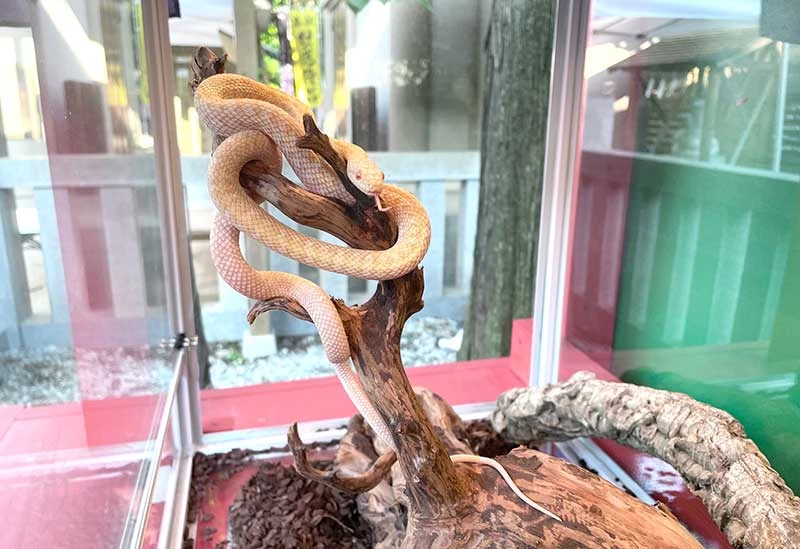
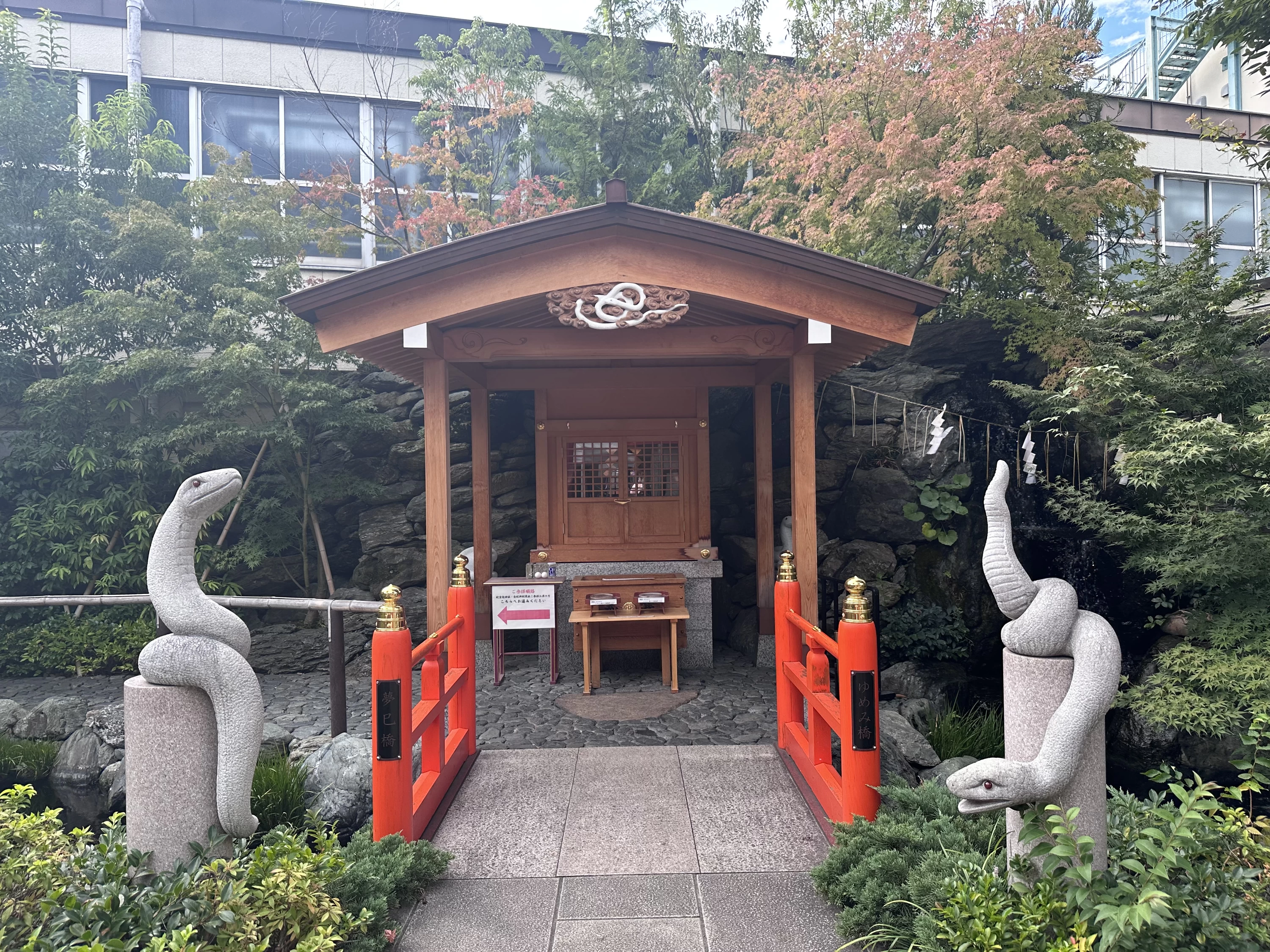
According to local tradition, a white snake had lived in a washing area beside the shrine since the Kamakura period. When the washing area disappeared, the snake lost its home and moved to a pond in what is now Togoshi Park. Later, the snake is said to have appeared in a local resident’s dream, asking to return. In response, the shrine priest had a pond dug on the shrine grounds and built a small shrine dedicated to Benzaiten, a deity associated with water, fortune, and prosperity, to welcome the white snake back.
white snake
Hebikubo Shrine is not the only place in Japan with a connection to white snakes. Iwakuni in Yamaguchi and Oigami Onsen in Numata, Gunma are also known for white snake-related worship and traditions. What makes Hebikubo Shrine especially distinctive is that the white snake deity and the dragon deity are enshrined together. That rare pairing draws worshippers from the local neighborhood, across Japan, and even overseas to pray for good fortune, prosperity, and success.
Here’s the surprise: white snakes are not a separate species, but albino Japanese rat snakes, known in Japanese as aodaisho. Designated as a National Natural Monument of Japan, Iwakuni’s white snakes are considered exceptionally rare because the albino trait has become genetically fixed in the local population.
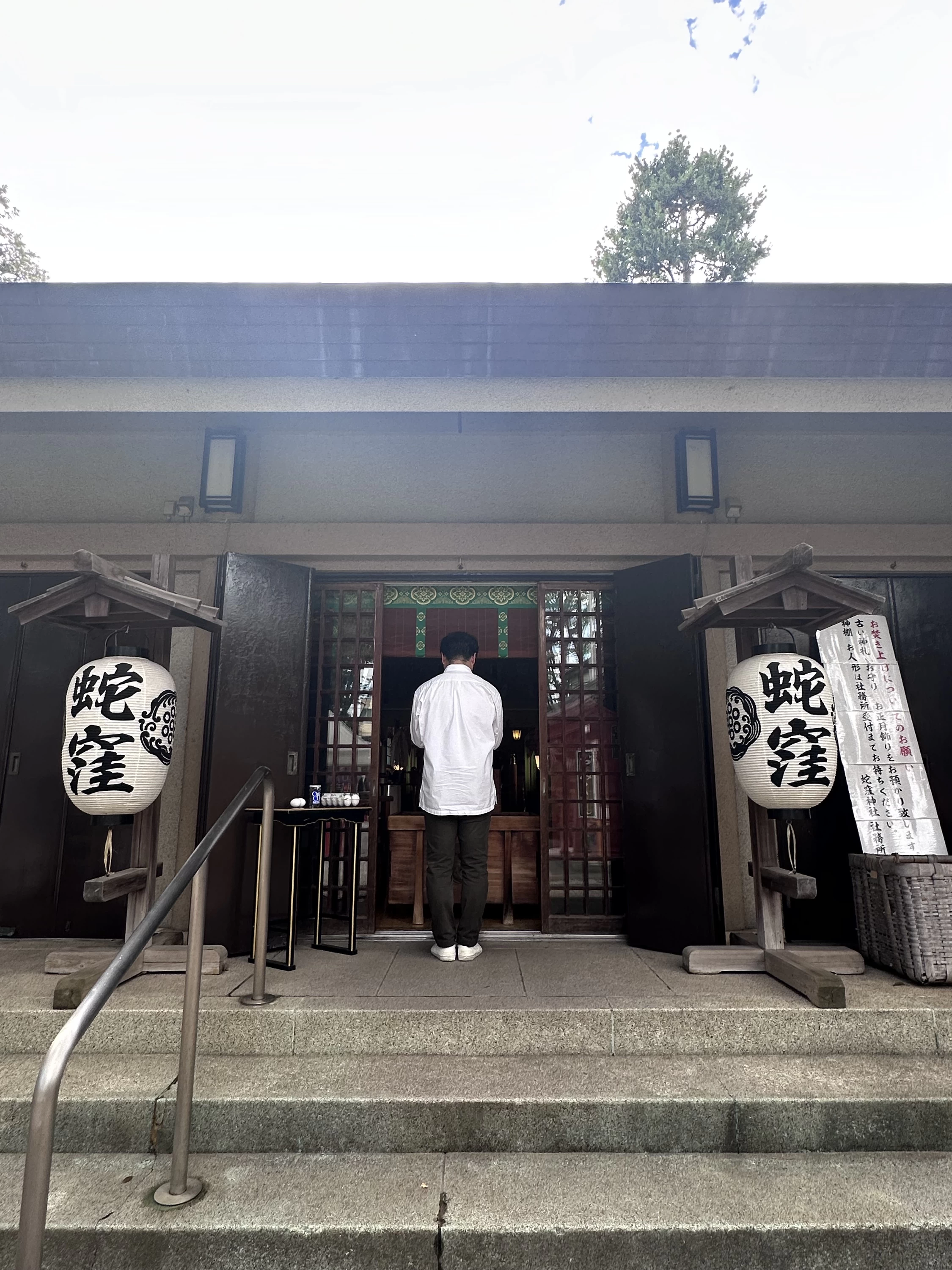
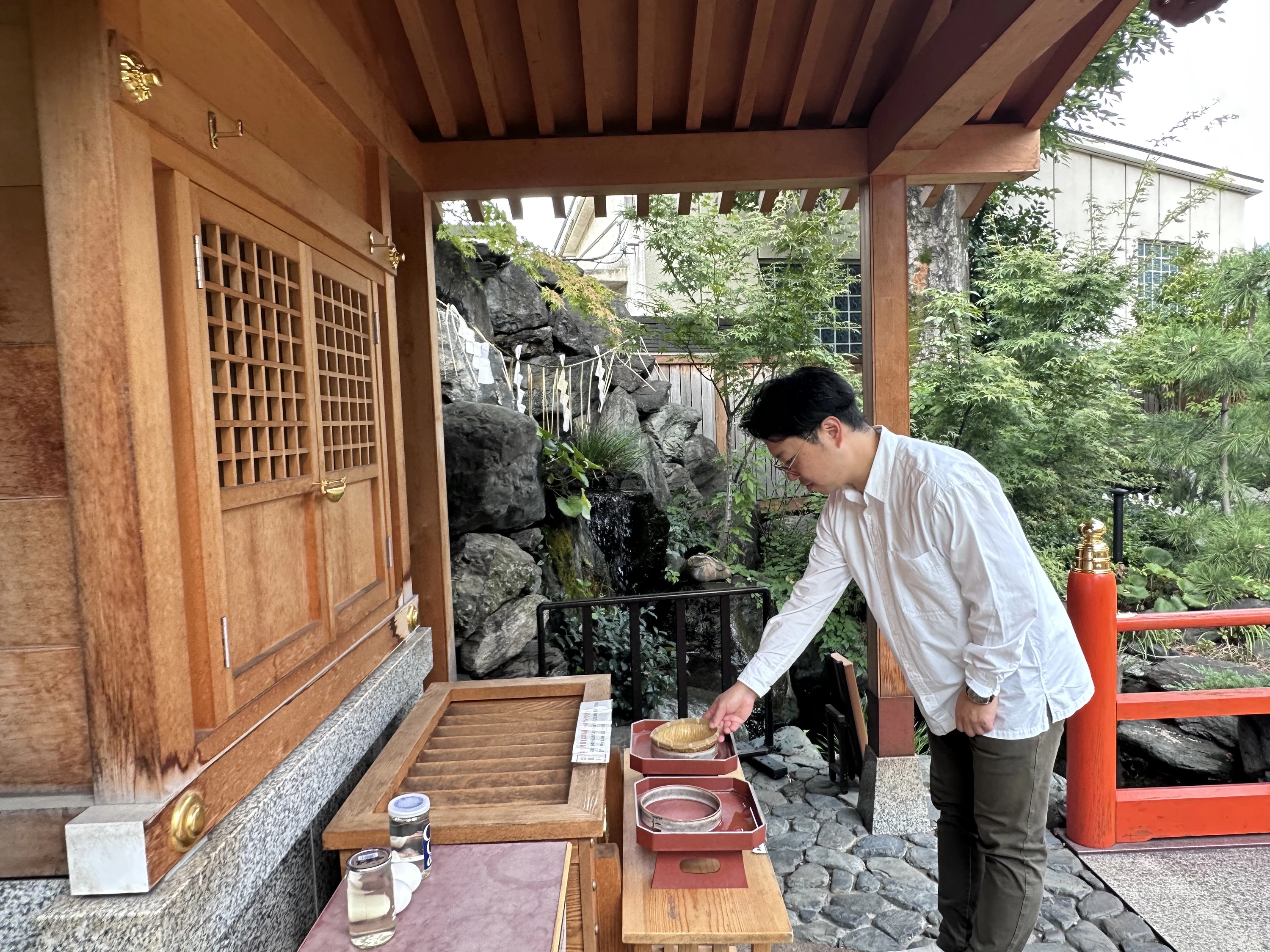
At Hebikubo Shrine, the first step is surprisingly simple: offer a greeting before making a wish. Each worship spot on the grounds is linked to a different blessing, so part of the charm is following the route and offering each prayer at the place best suited to it. At the main hall, begin by respectfully greeting the deity—stating your name, where you have come from, and offering a word of thanks rather than immediately asking for something.
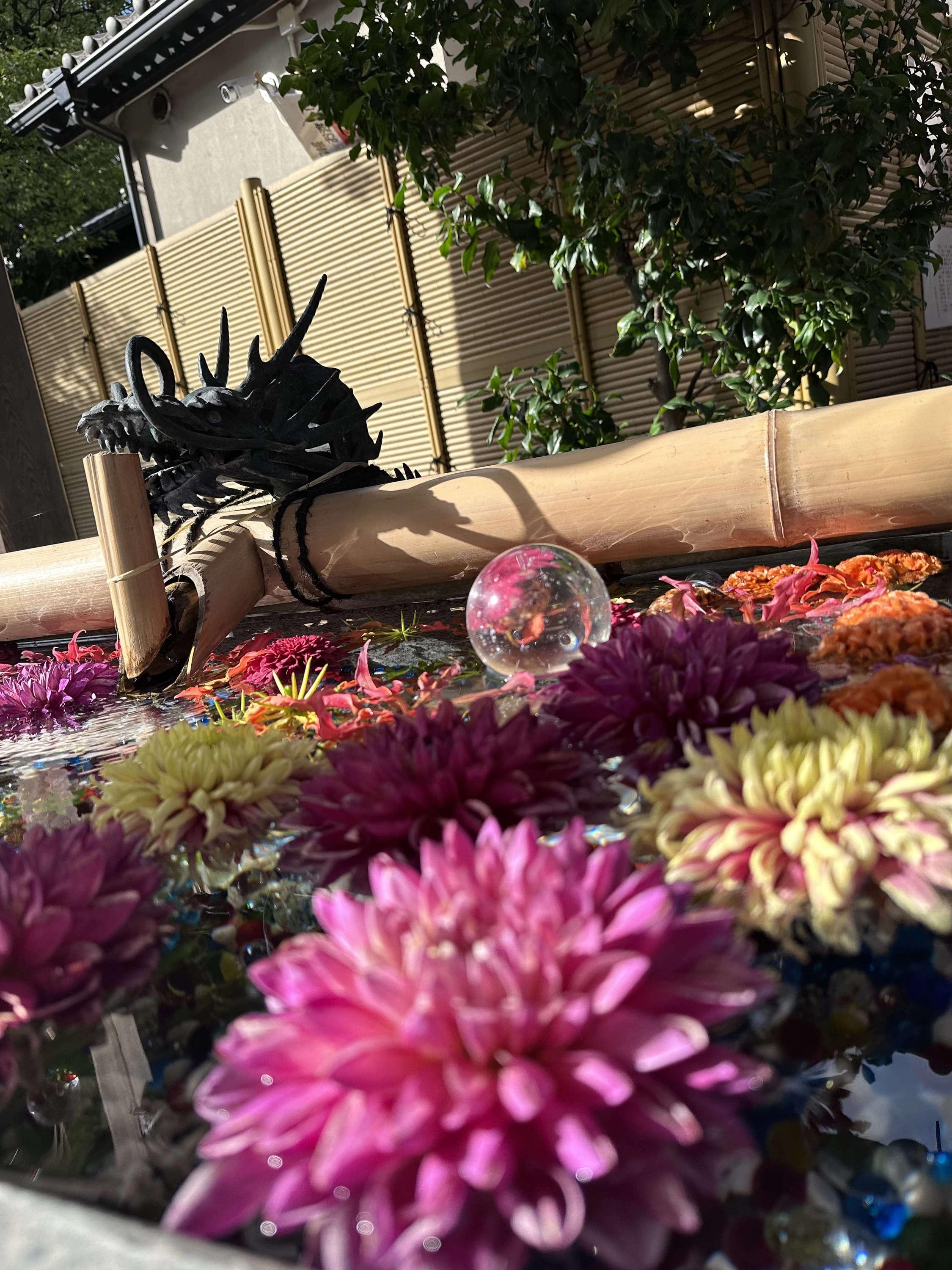
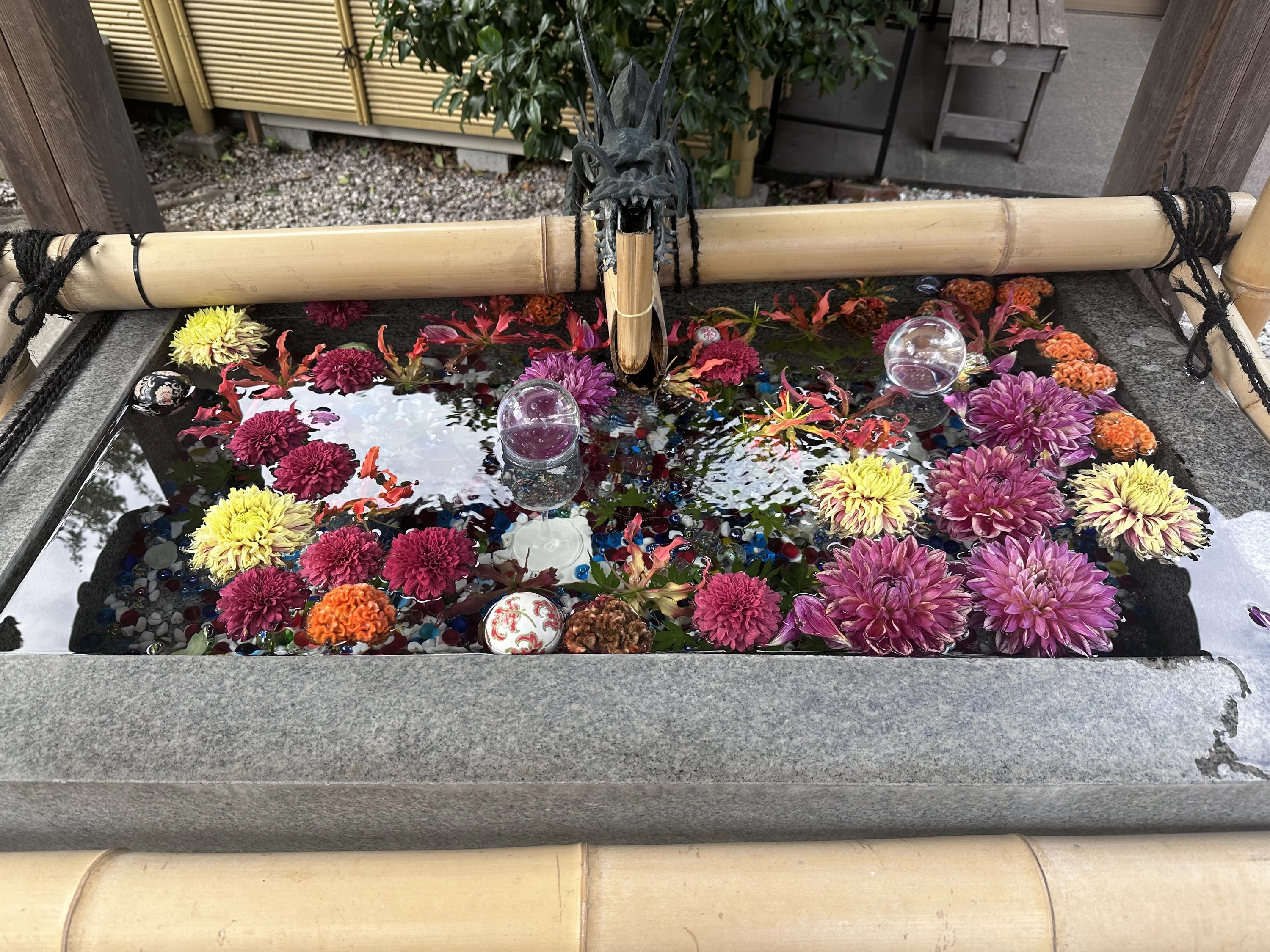
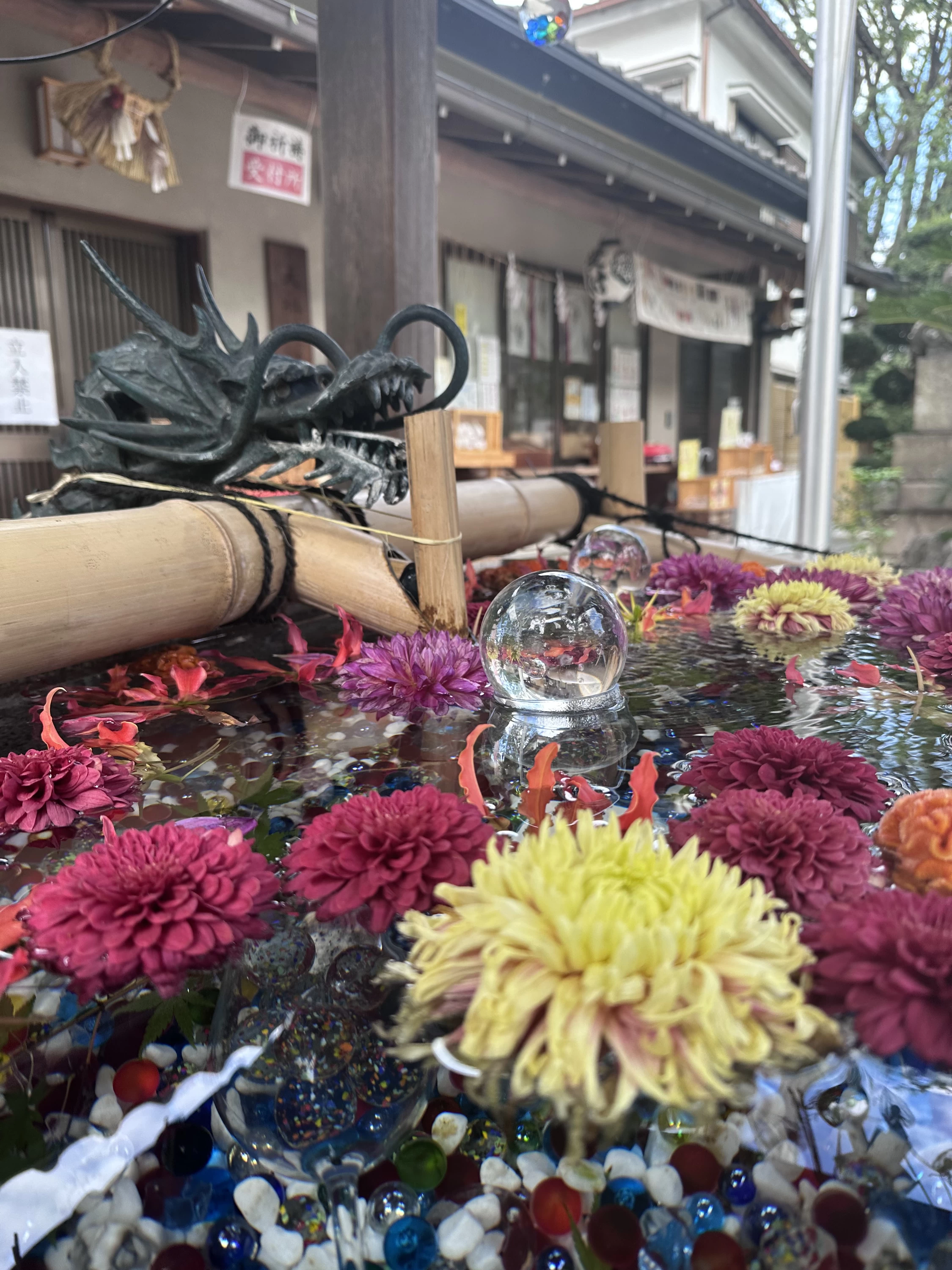
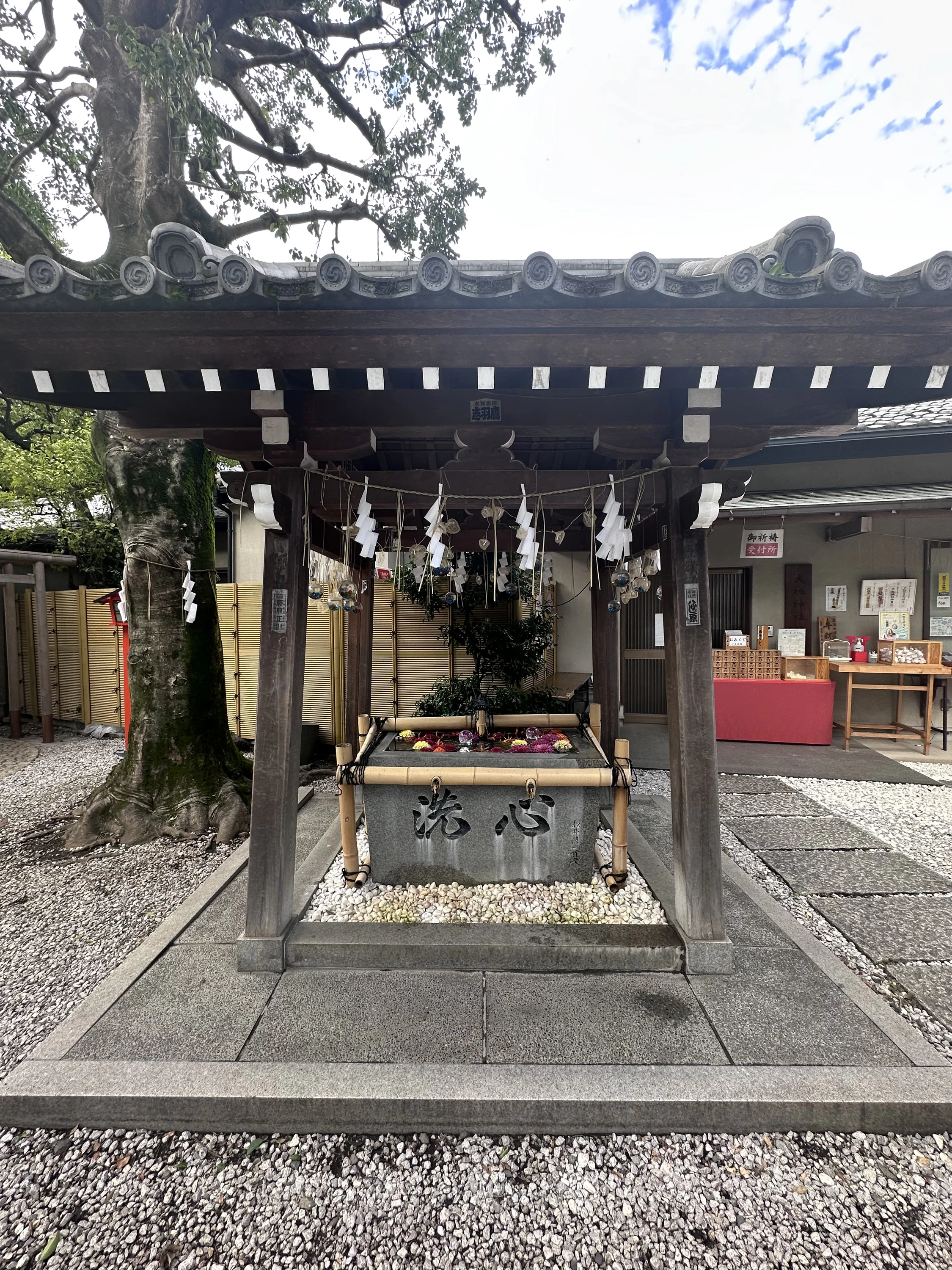
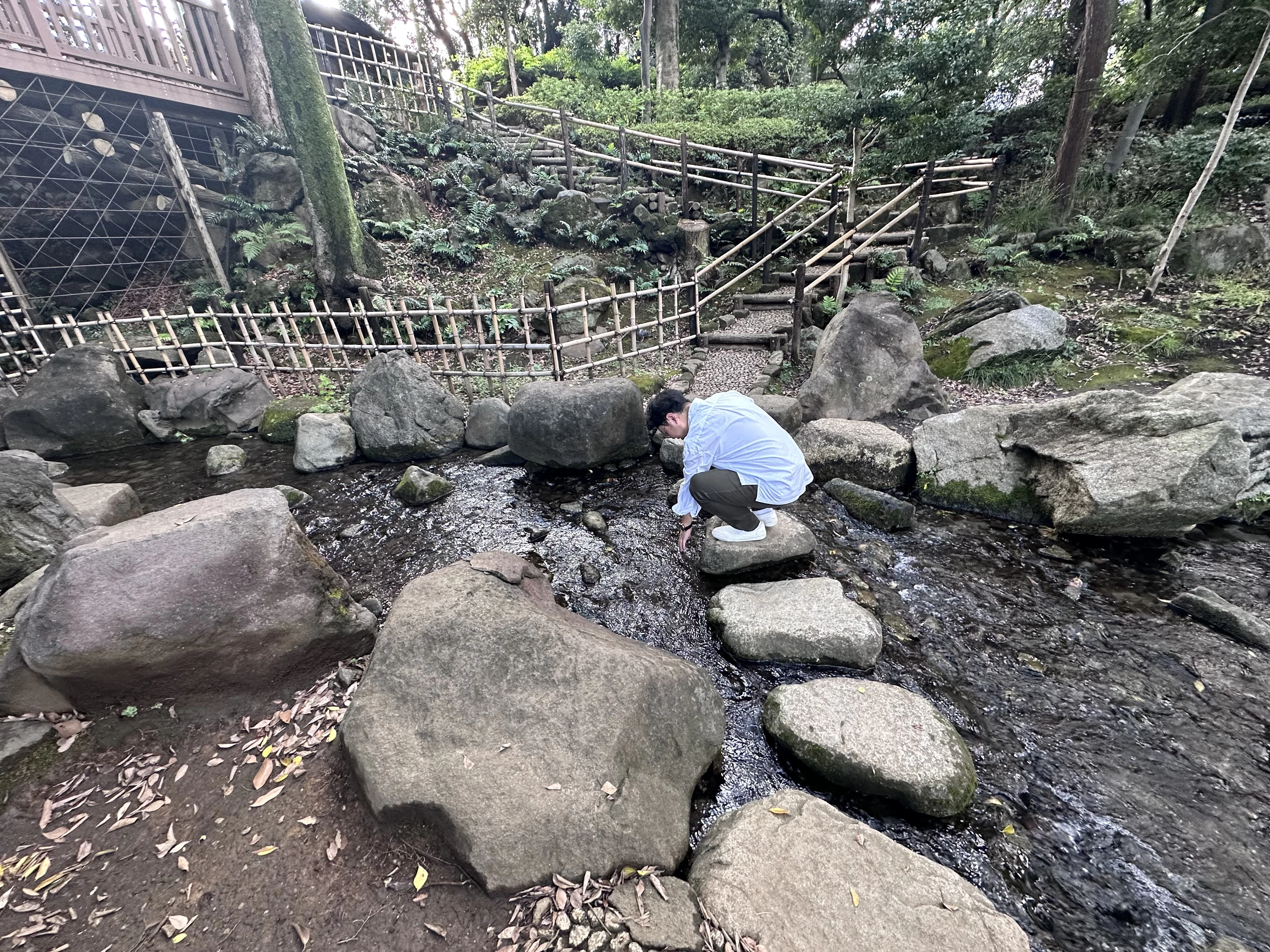
Hebikubo Shrine is full of small details worth noticing, and this visit narrows them down to seven highlights. First up is the chozuya, where visitors purify their hands and mouth before praying. Seasonal flowers float in the purification basin, making it one of the shrine’s most picture-worthy spots.
Head to Hebikubo Shrine’s official Instagram for seasonal videos and photos of the shrine grounds.
See Hebikubo Shrine’s Official Instagram
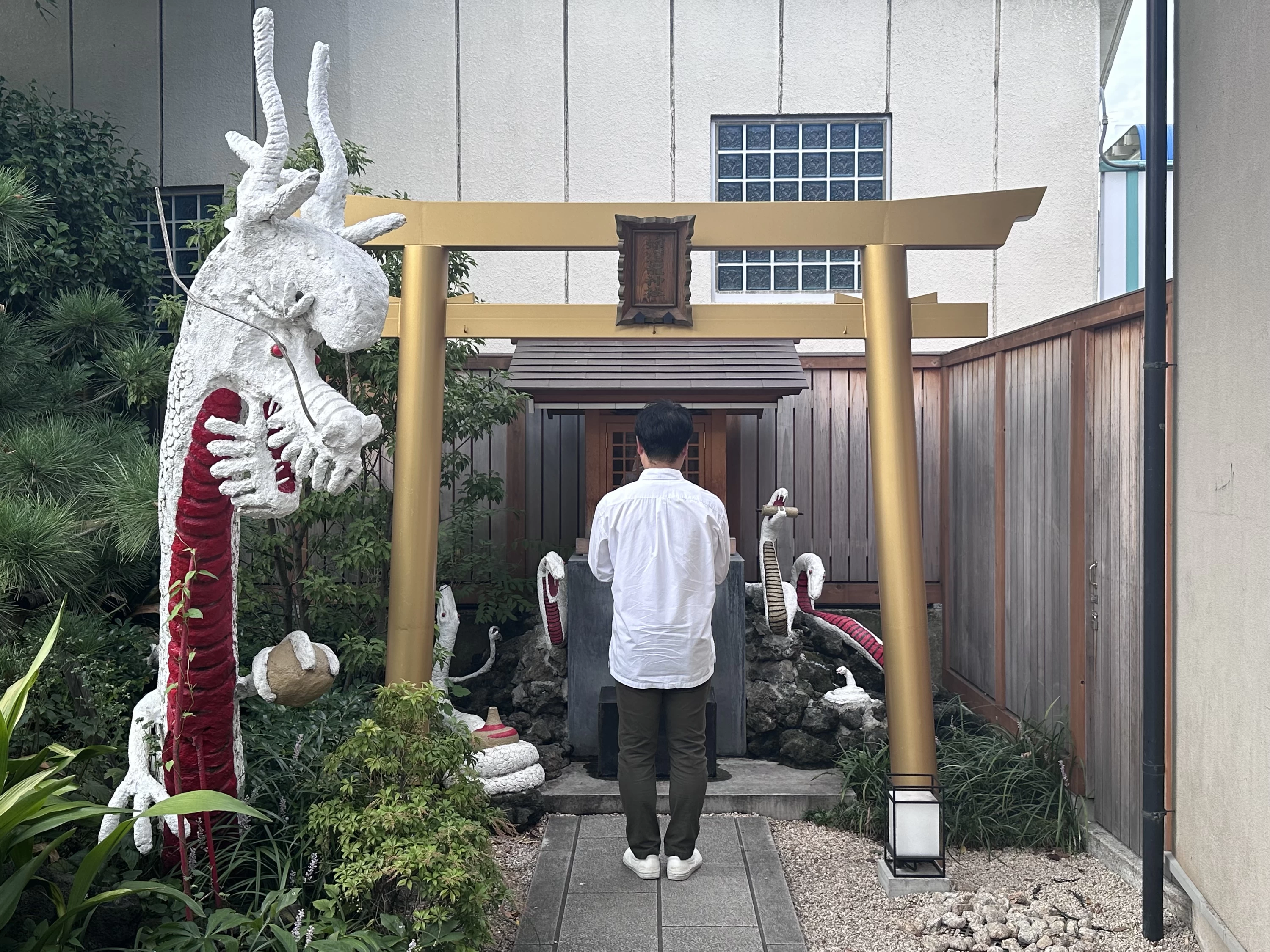
Hebikubo Ryujinja Shrine is the motomiya, or original shrine, of Hebikubo Shrine and is said to have a history of more than 1,000 years. Beyond the golden torii gate stands one of the shrine grounds’ most striking sights, where seven white snakes and an 8-meter white dragon surround the shrine. These figures bring a local legend to life: the eighth white snake is said to become a white dragon.
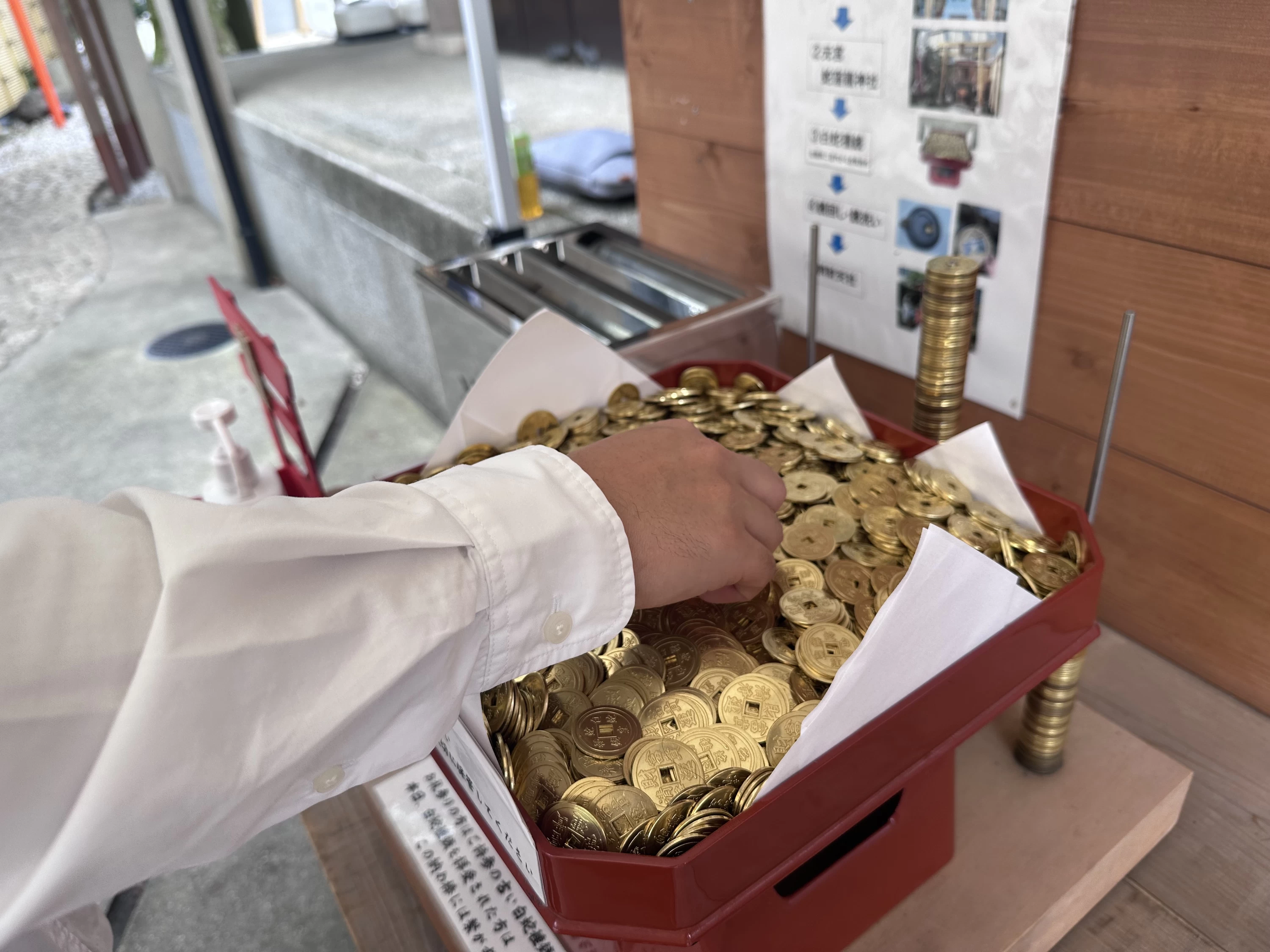
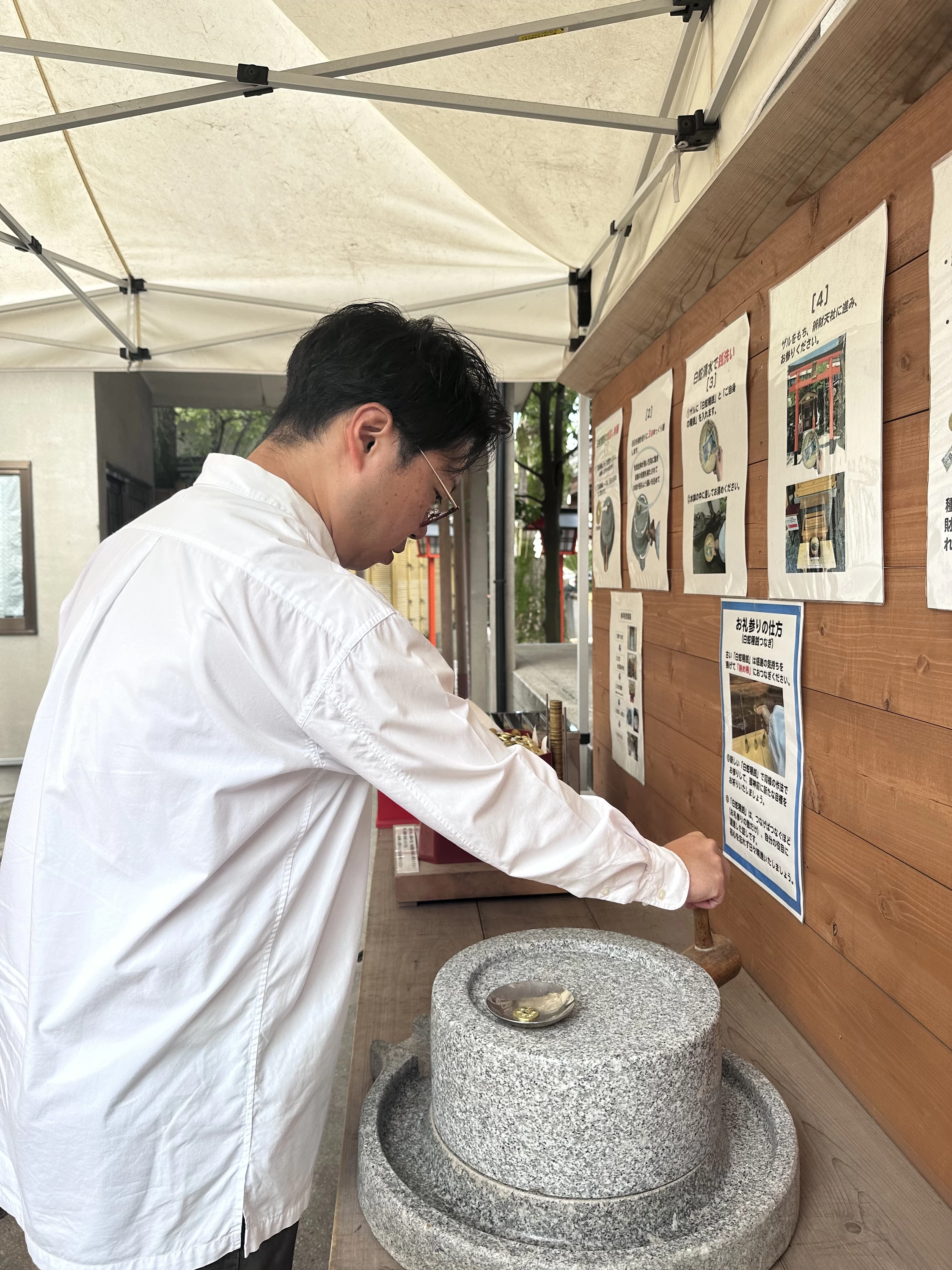
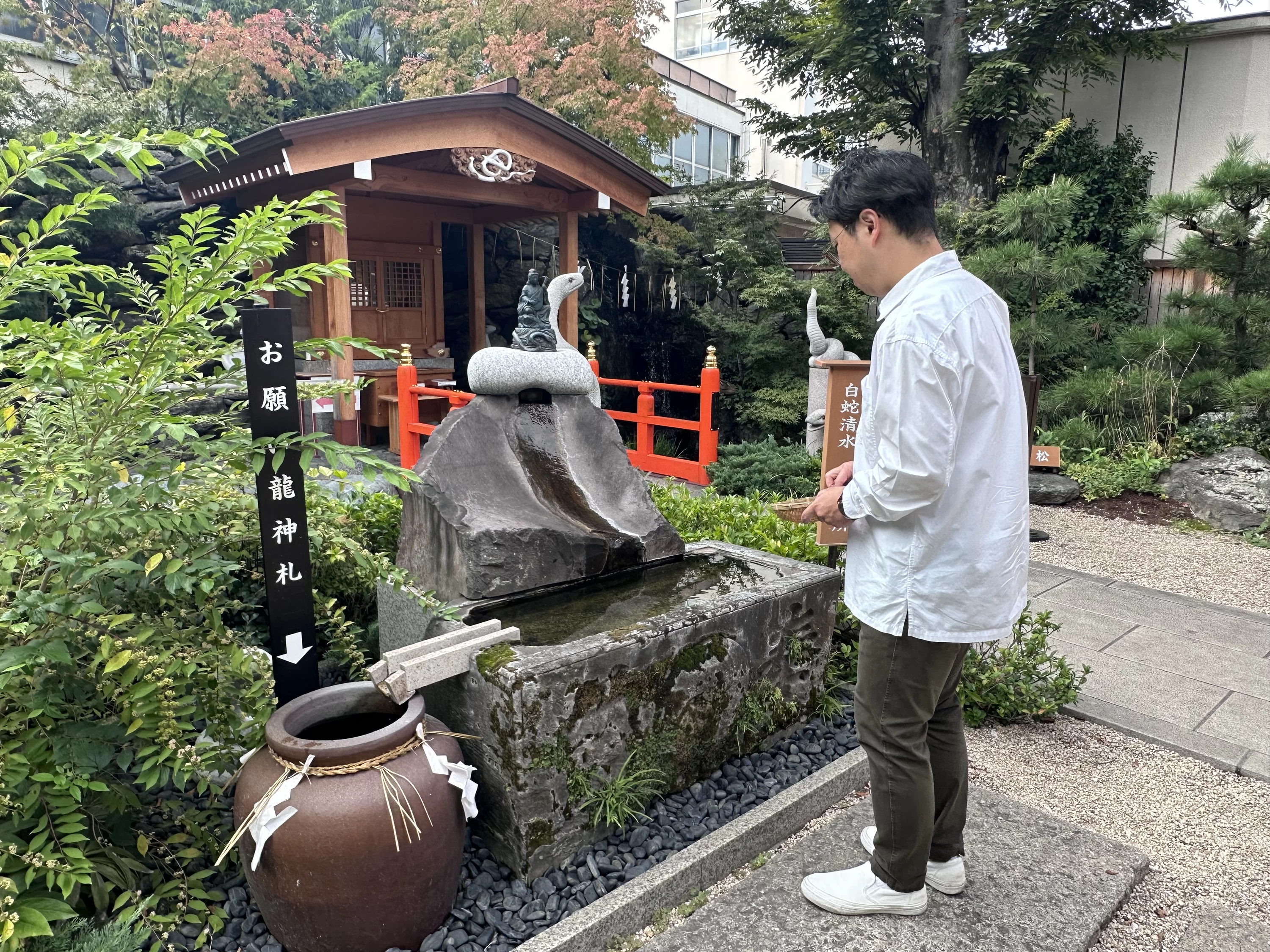
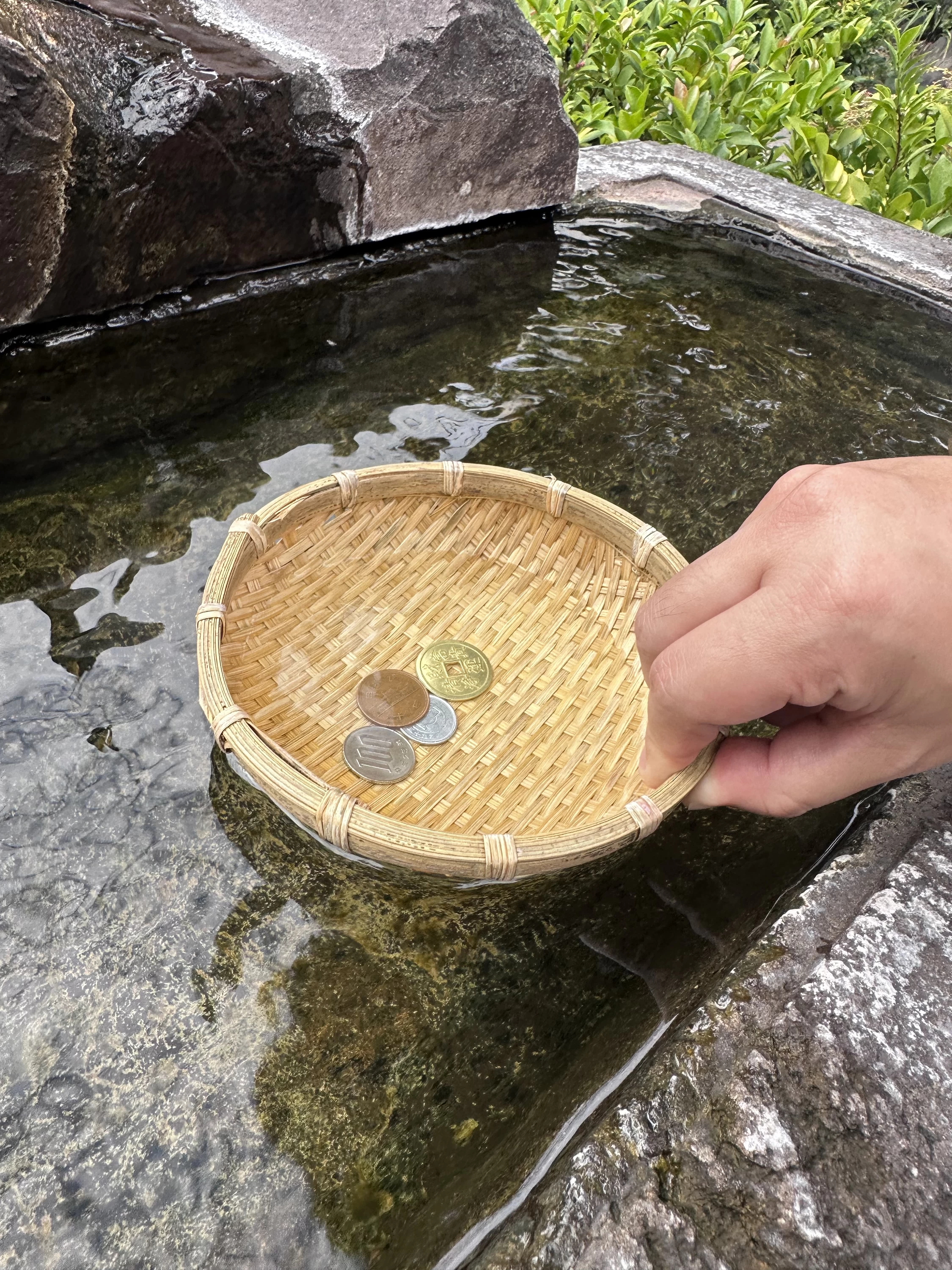
Another highlight is the shrine’s coin-turning and coin-washing ritual, a symbolic practice for purifying coins and praying for prosperity. After the ritual, the Shirohebi tanezeni lucky coin is kept in the wallet, while your own purified coins are taken home.
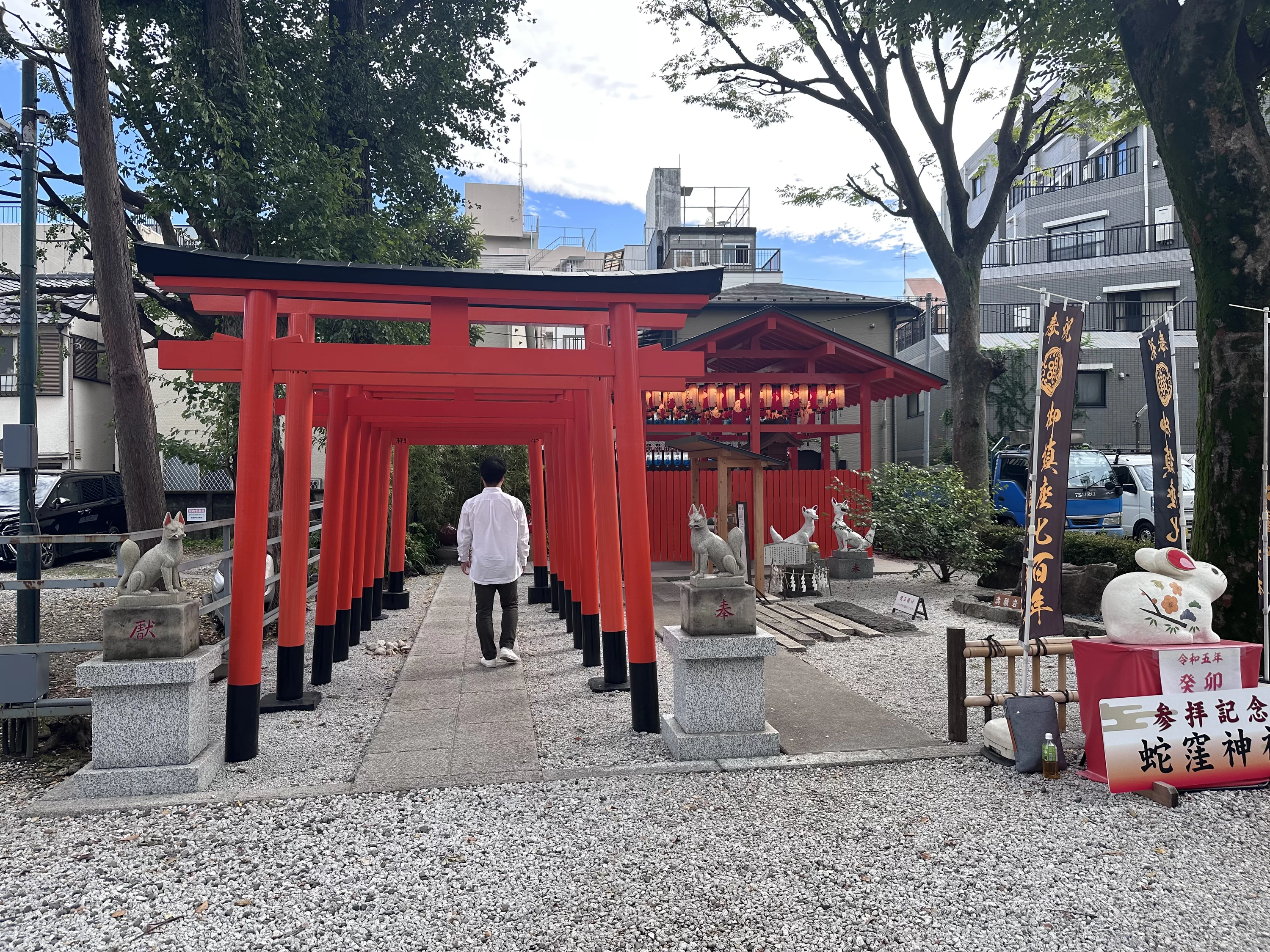
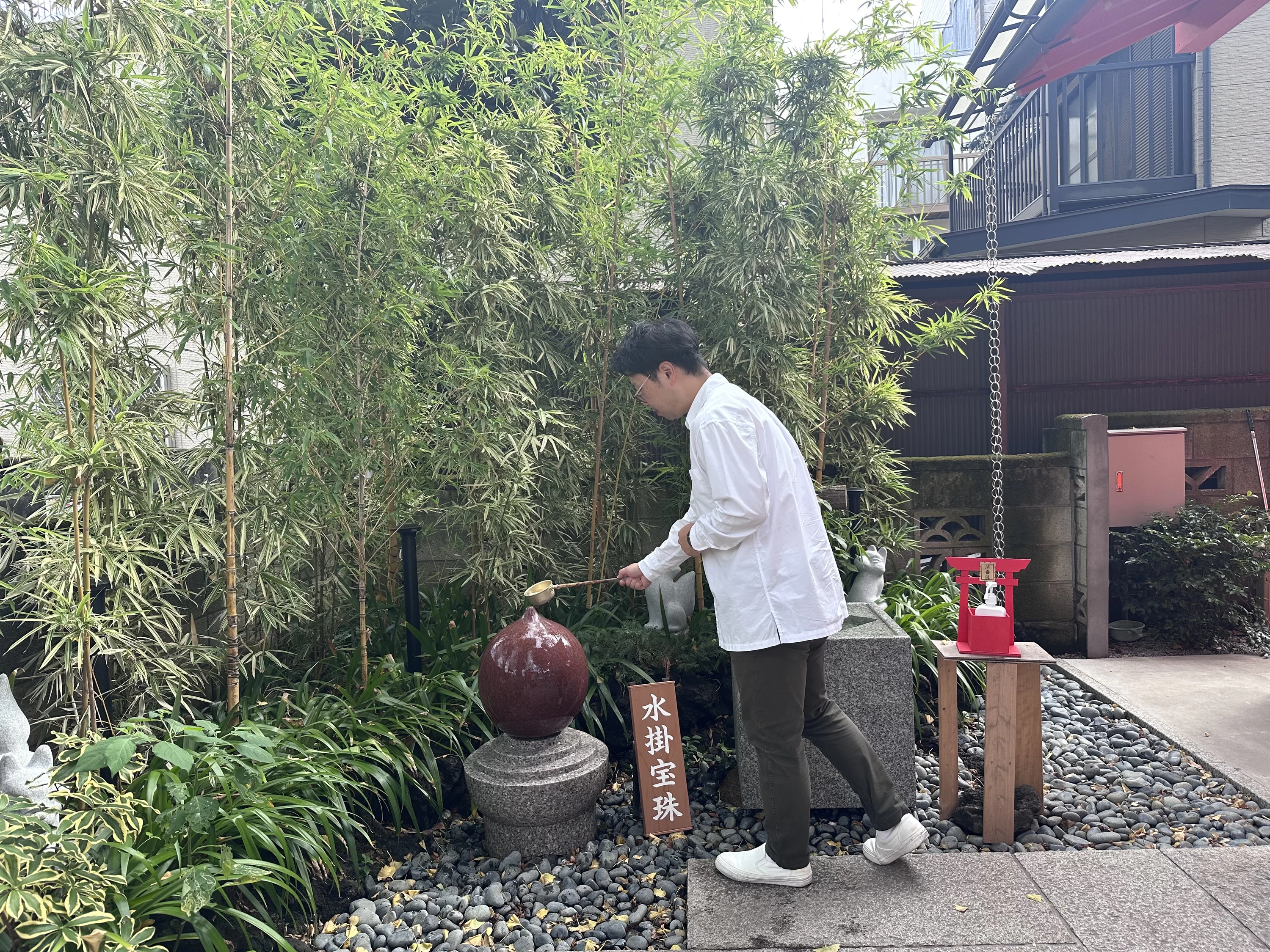
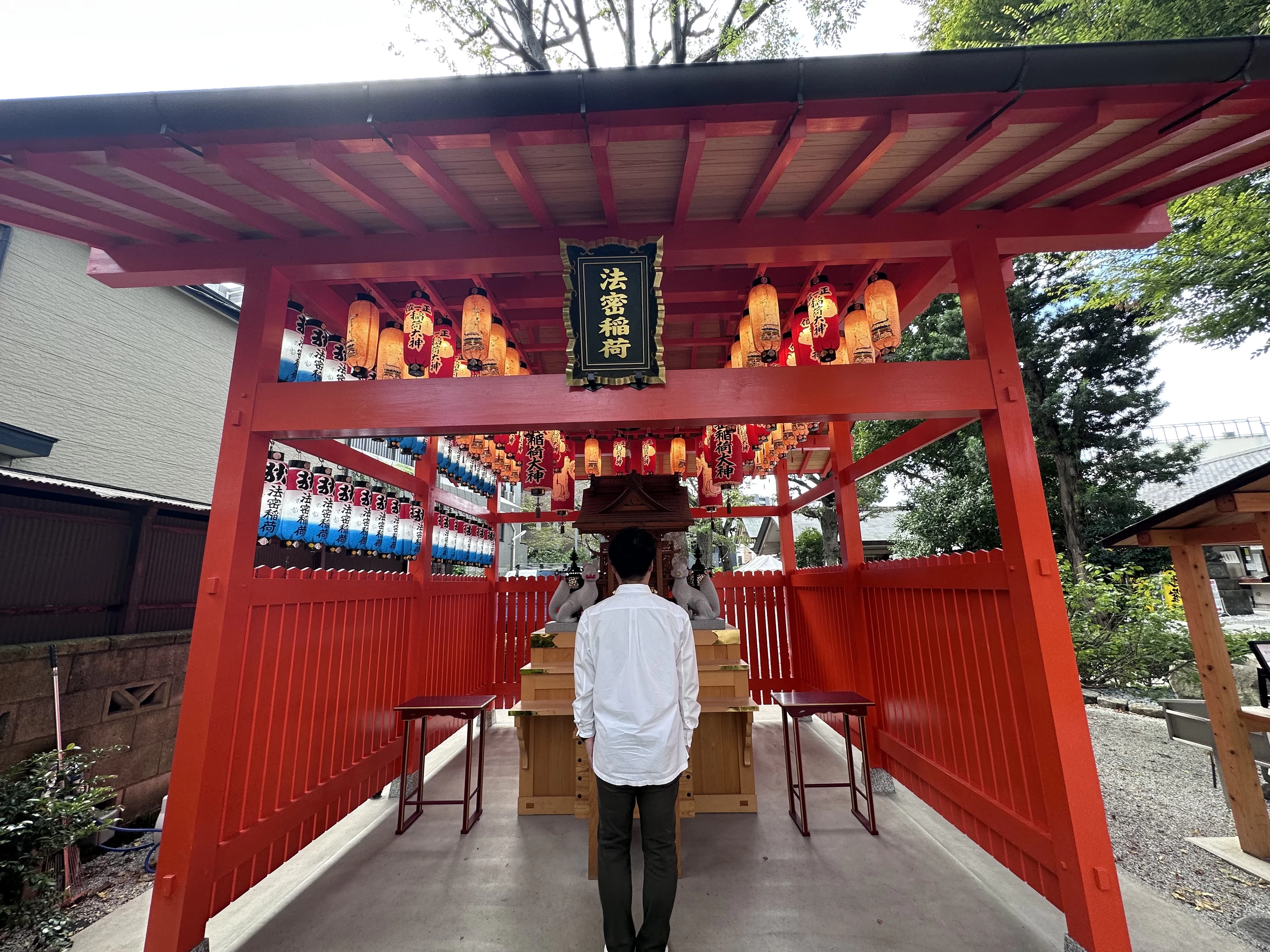
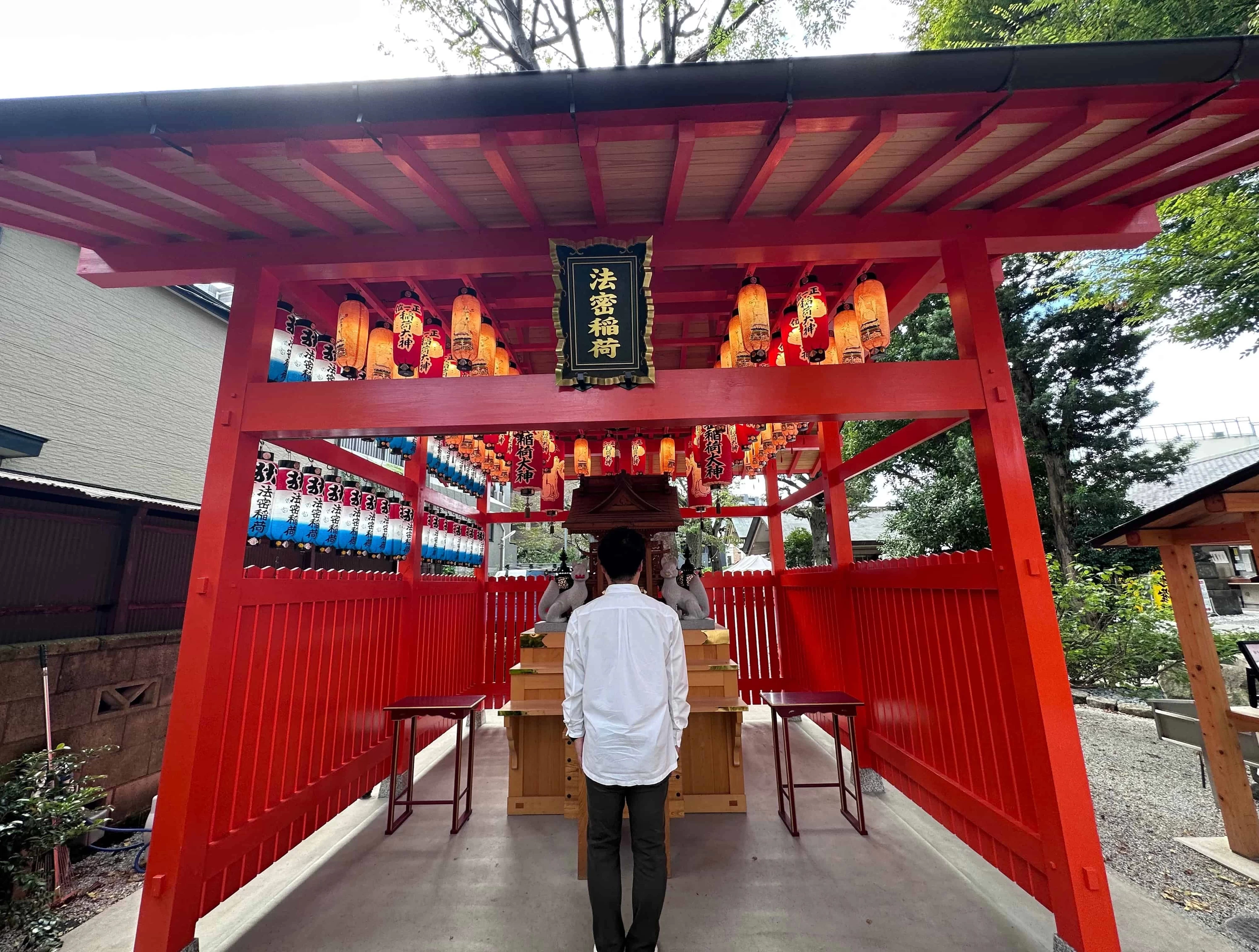
Homitsu Inari Shrine is another picture-worthy stop. Framed by 111 red lanterns, this small Inari shrine has a vivid and atmospheric feel that makes it hard not to pause for a photo. It is said to have been established to commemorate prayers for rain that were answered after a fasting ritual about 700 years ago.
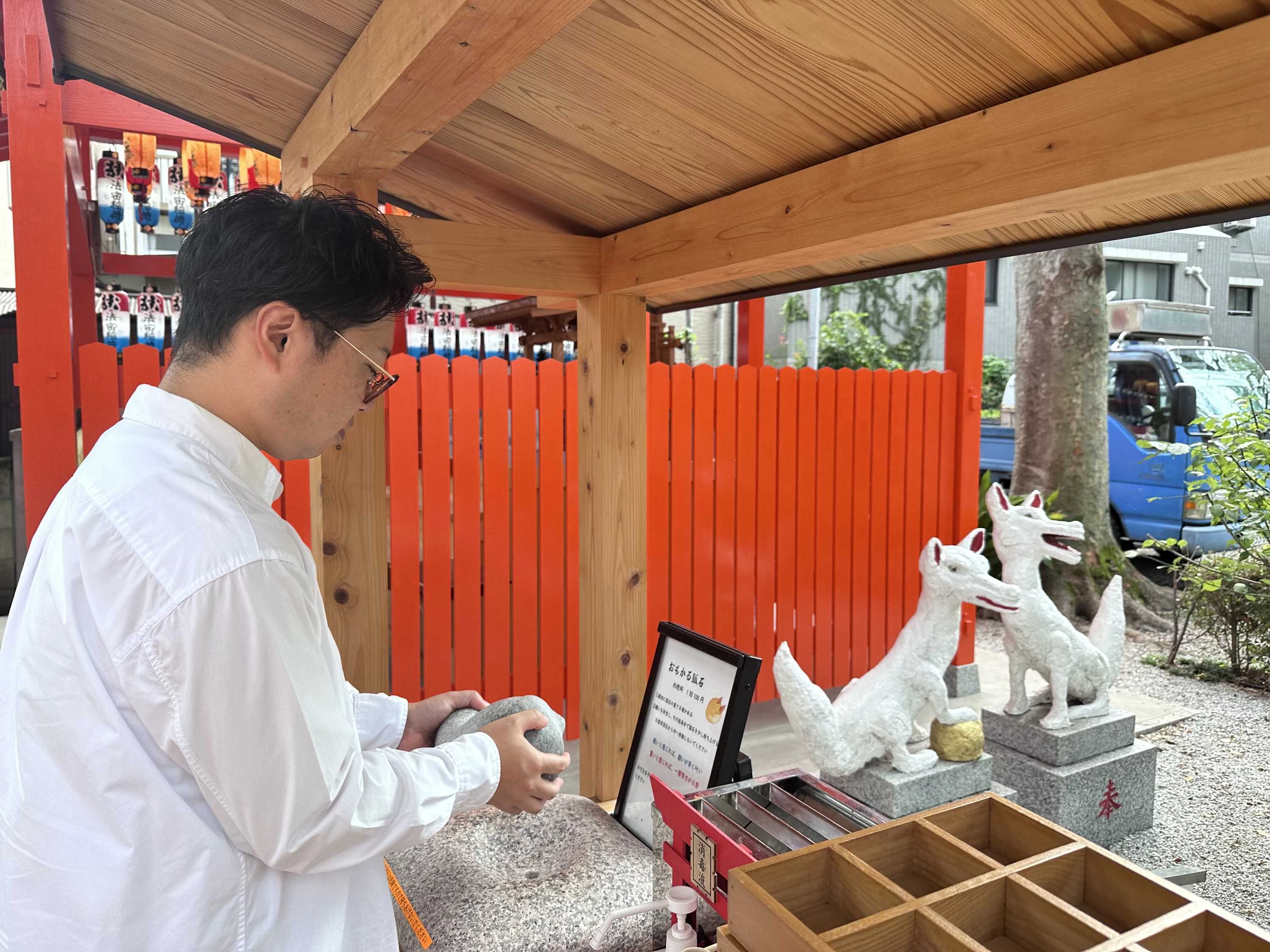
Omokaru kitsune ishi
This fox-shaped stone sits right beside the Inari shrine. First, lift the stone to feel its weight. Then make a wish and lift it again. If it feels lighter the second time, the wish is said to come true soon. If it feels heavier, the wish may take longer and require more effort. In my case, it felt heavier—so it looks like there’s still some way to go.
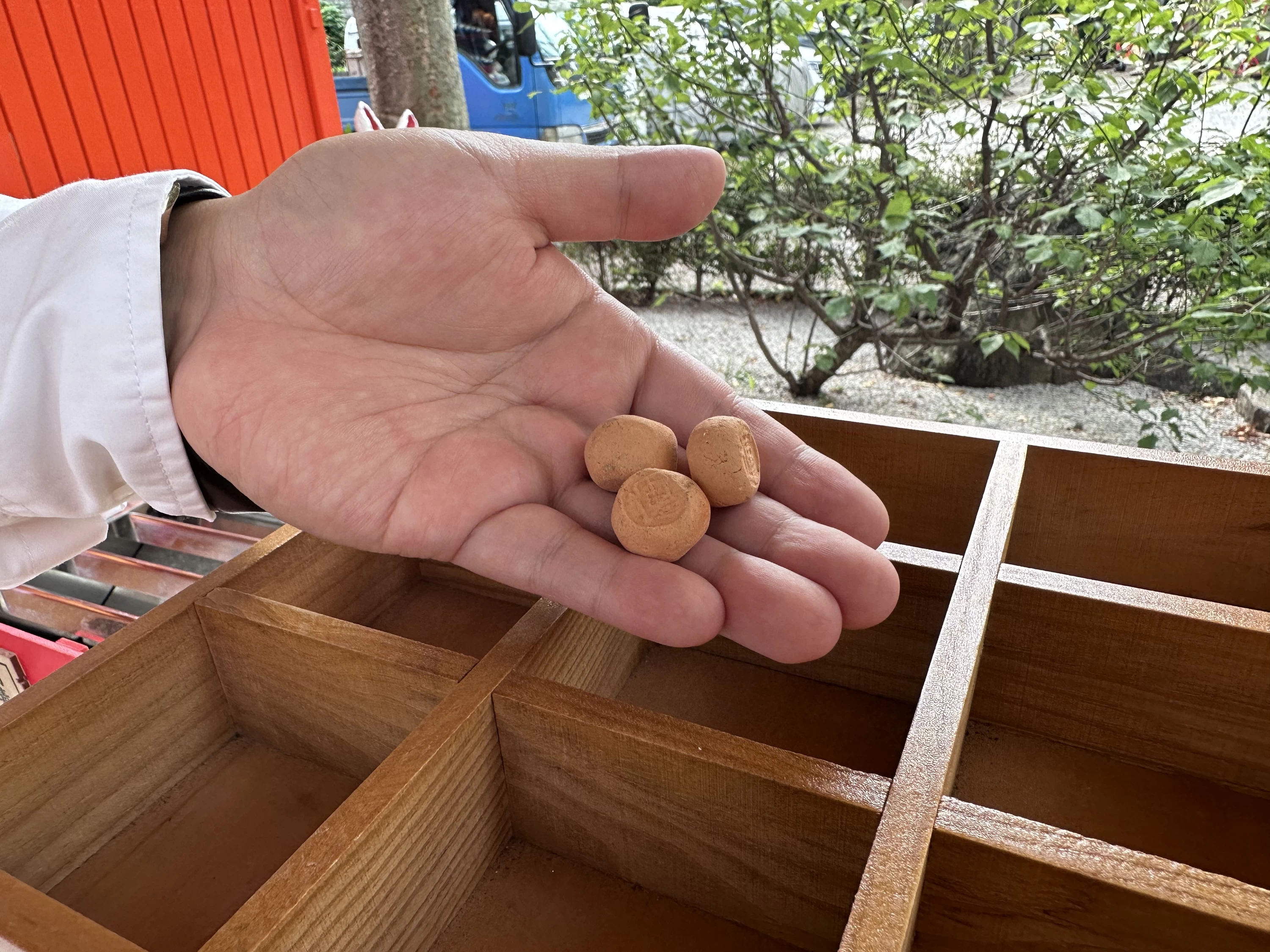
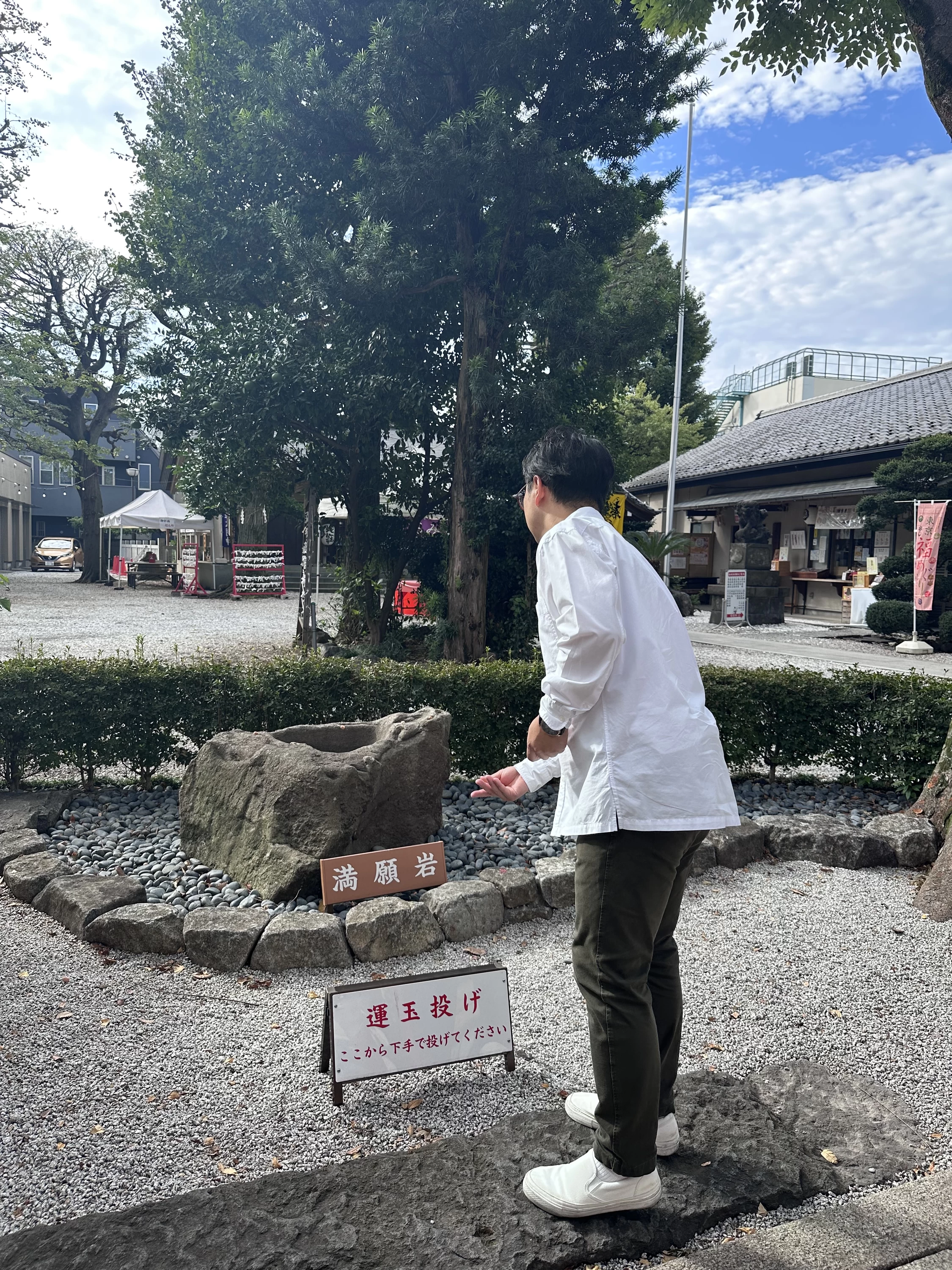
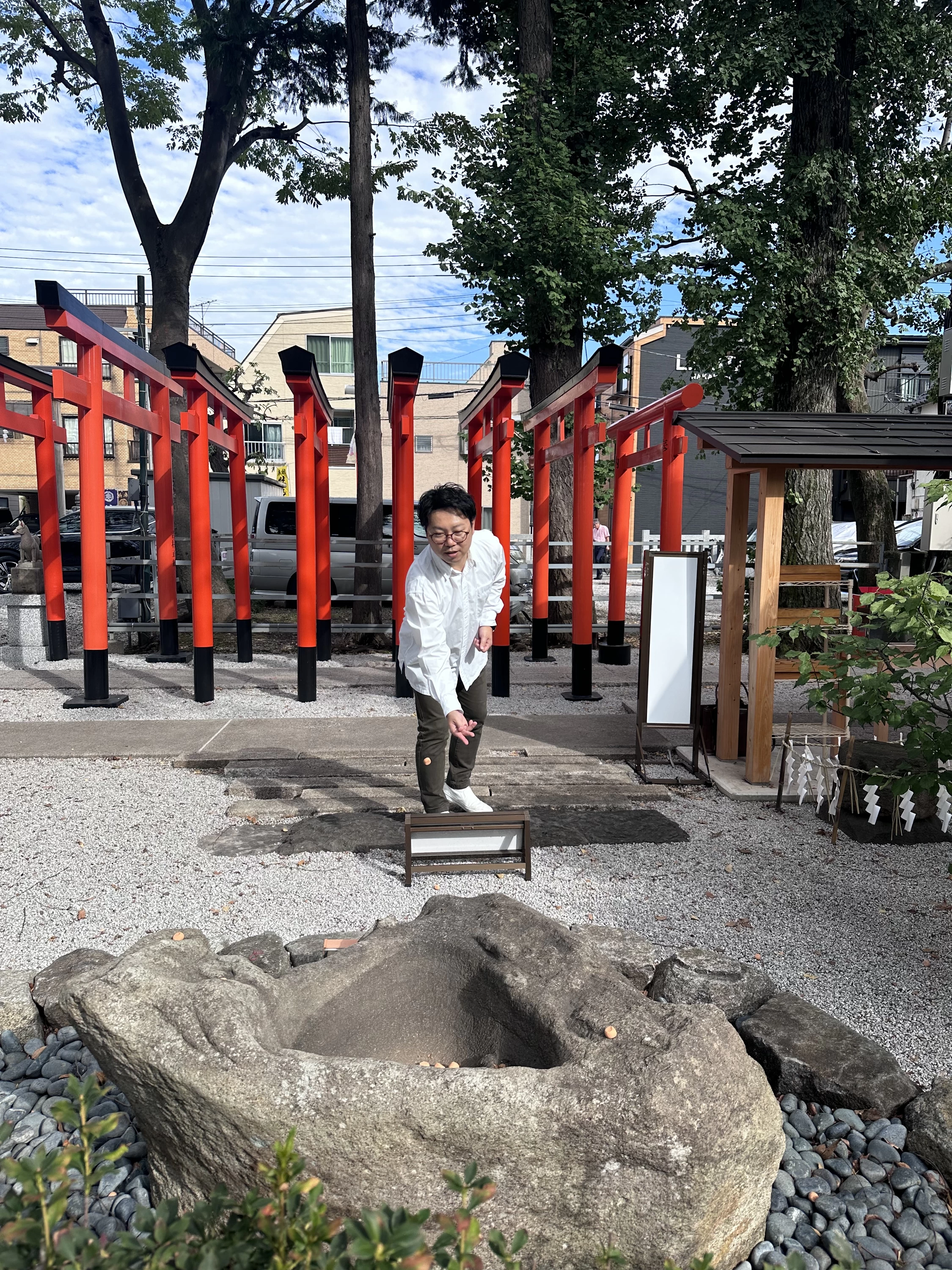
Next is a chance to test your luck: visitors have three chances to cast a stone ball into the hollow of Mangan Rock. Because the ball is thrown onto the stone, it bounces more easily than expected, making the challenge harder than it looks. On this visit, the third throw went in—perhaps a good sign!
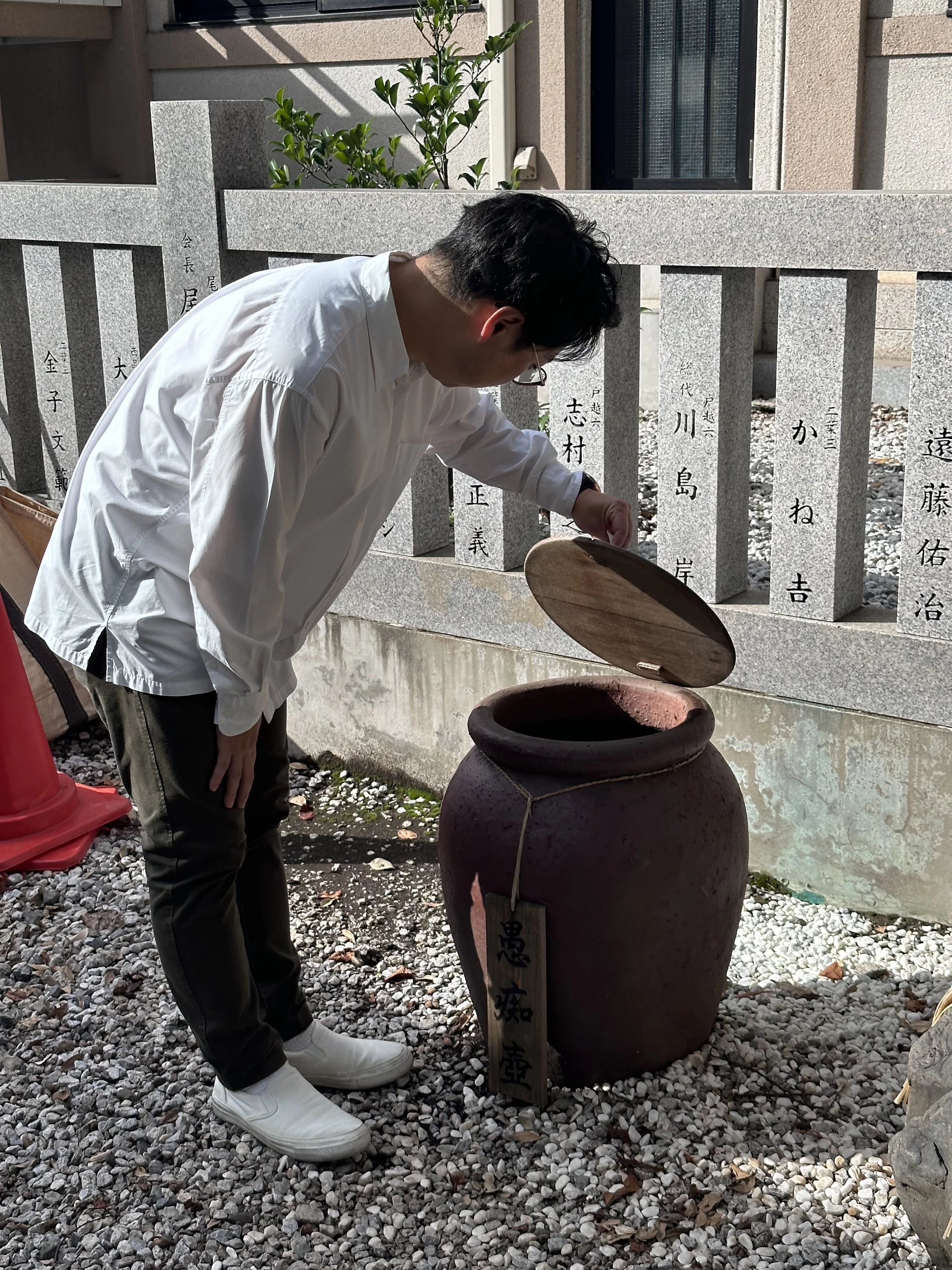
The venting jar
The final stop is Guchi-tsubo, or the Venting Jar. As the name suggests, visitors quietly vent their frustrations into the jar, making it a small but surprisingly satisfying stop along the shrine walk.
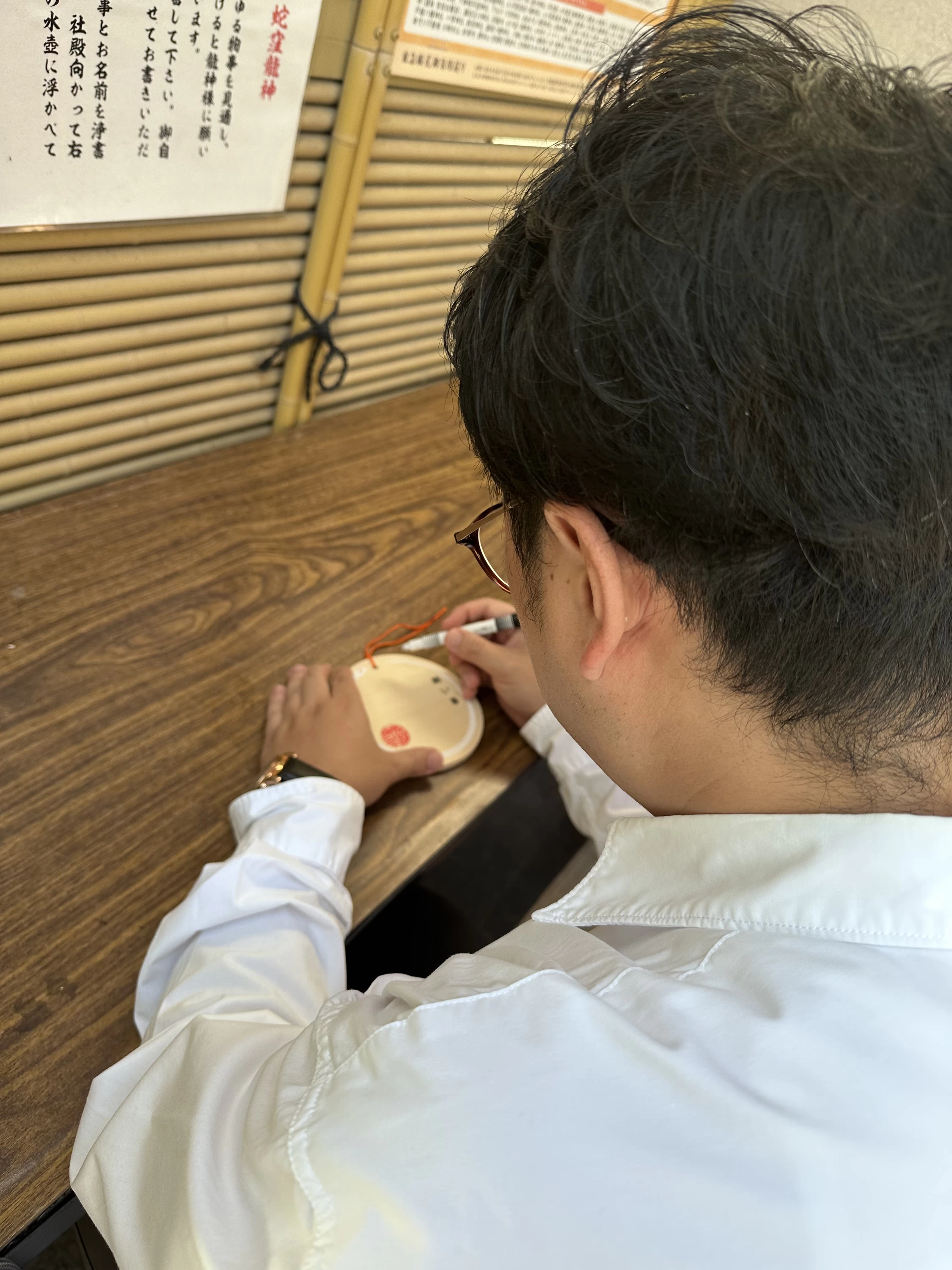
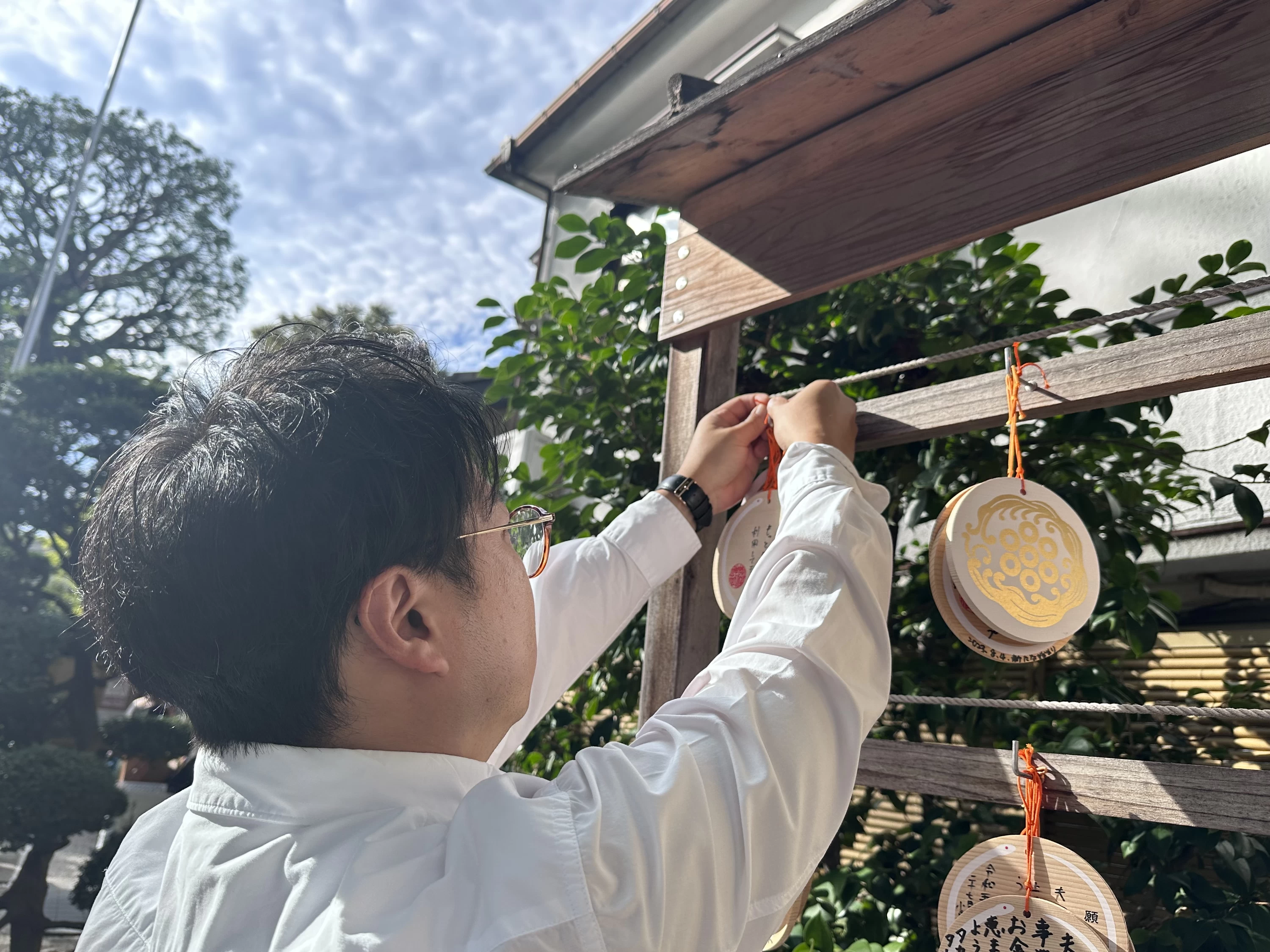
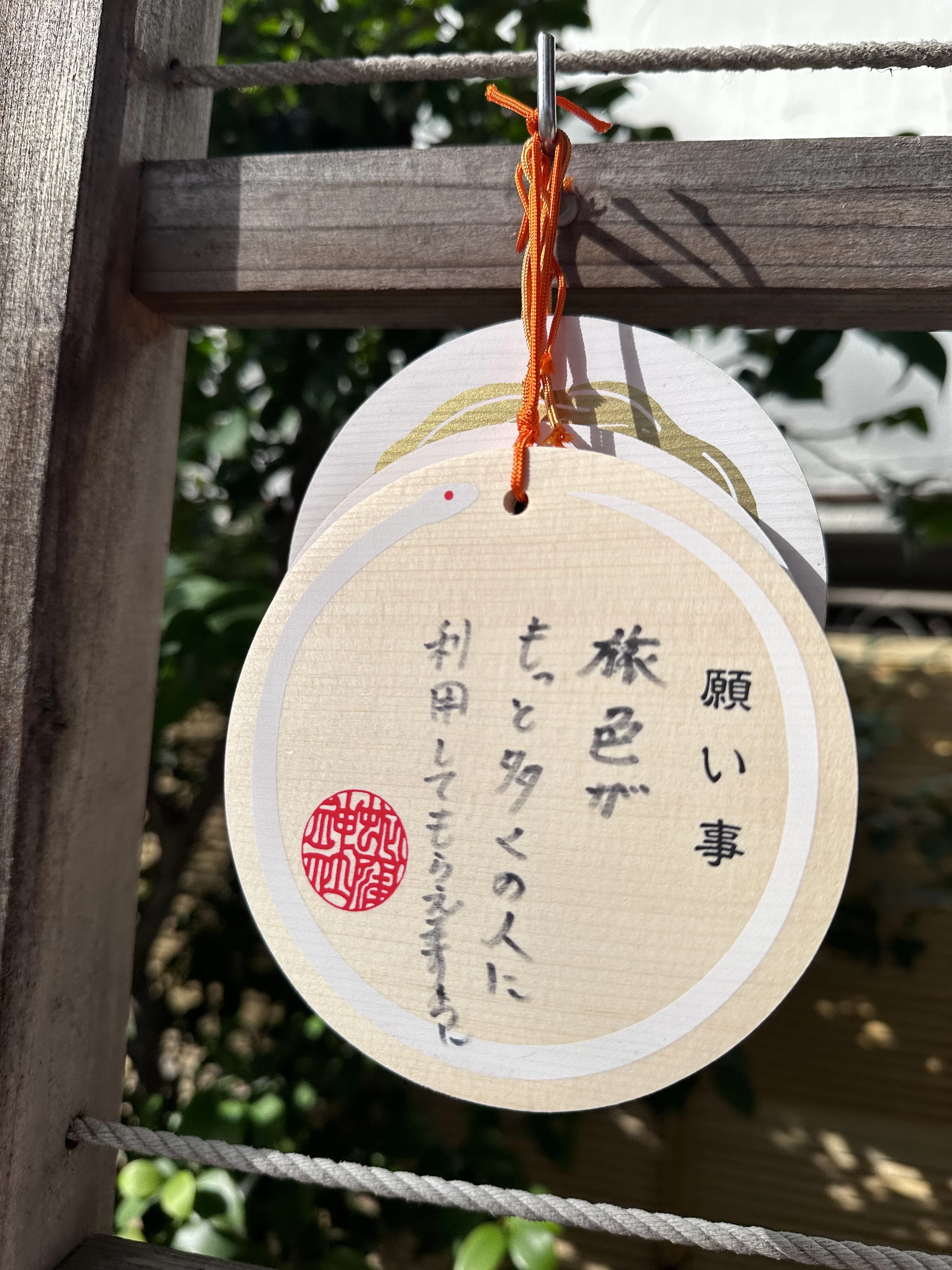
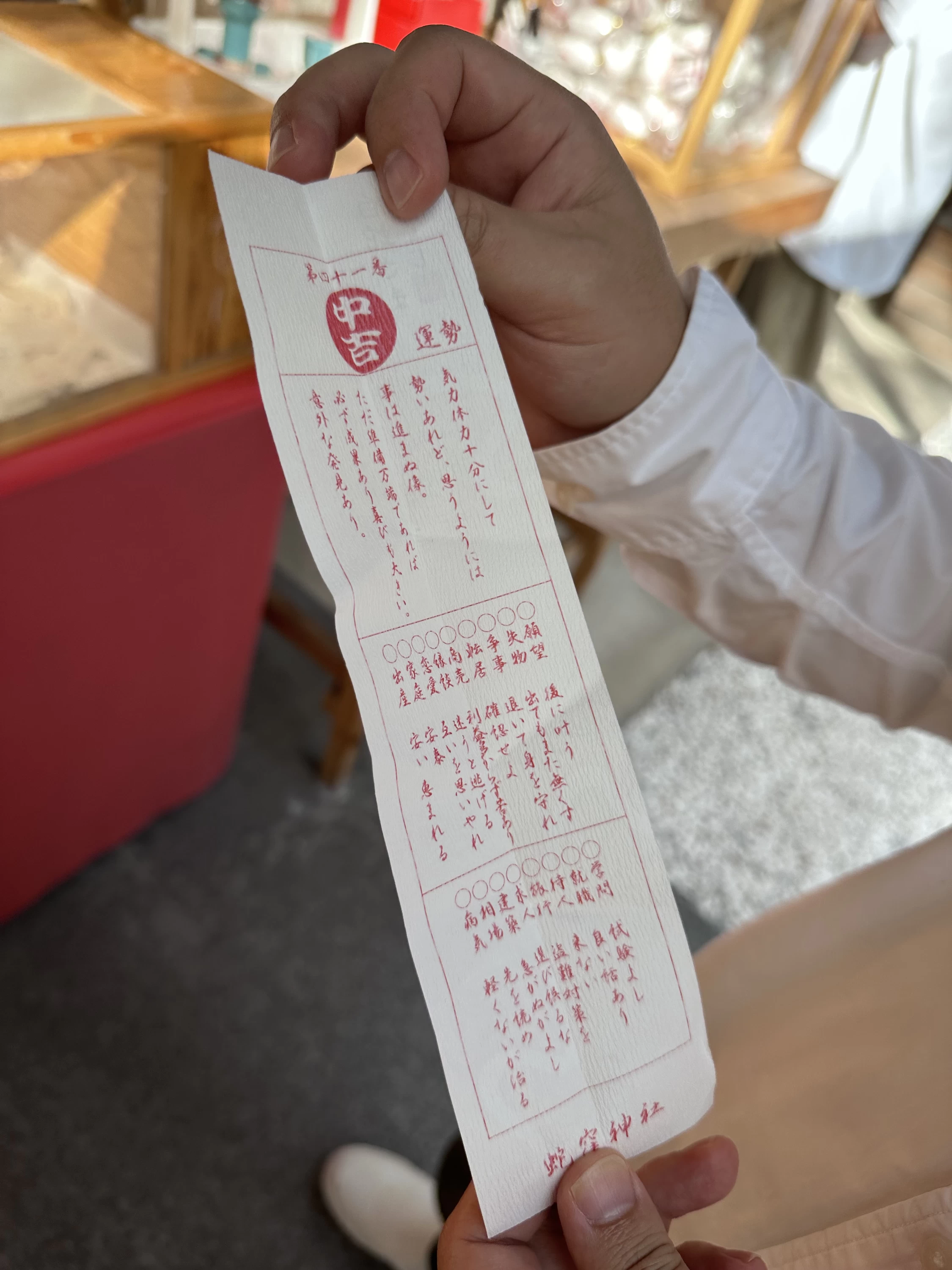
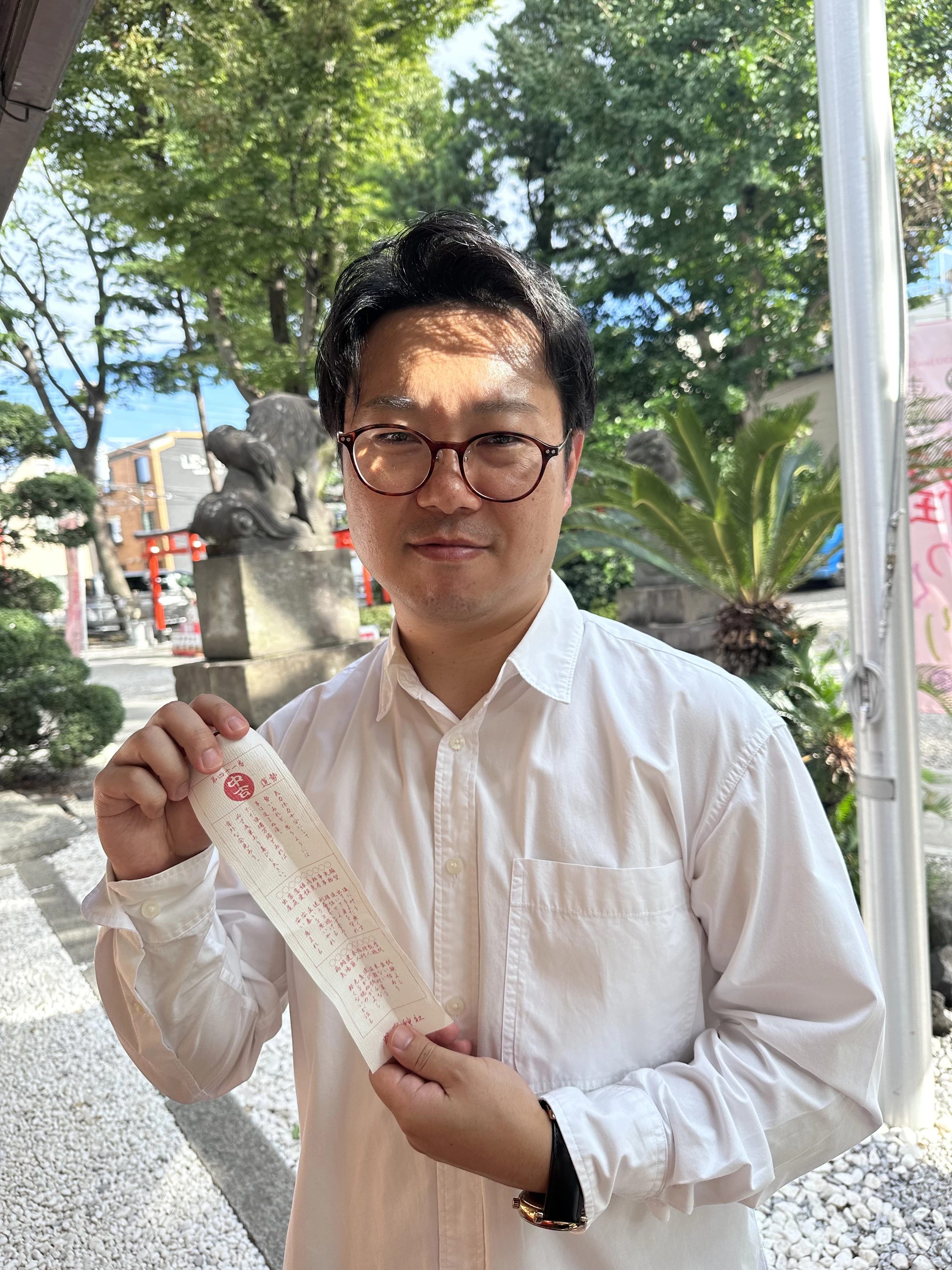
The wish written on the ema prayer plaque was for Tabiiro—a small show of team spirit. The omikuji fortune came out as chukichi, or moderate luck, which is honestly a little hard to react to. It is not bad, not especially exciting, just the kind of result that leaves the most room for interpretation—which explains the face in the photo. The ema itself had an especially charming design.
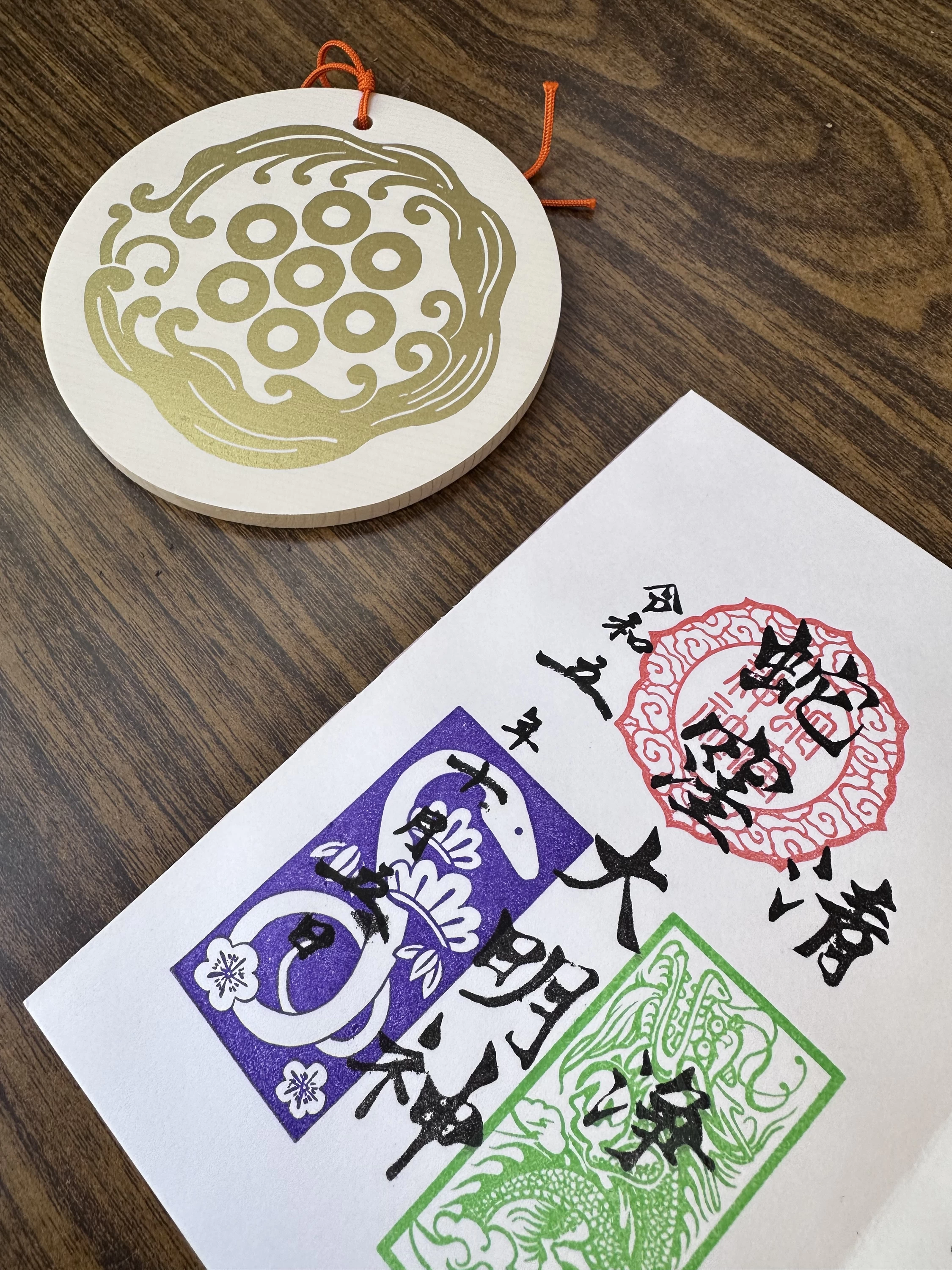
Goshuin (“crimson seals”) are shrine and temple stamps traditionally given as proof of pilgrimage and worship. Today, many people collect them as souvenirs, and colorful designs have become common across Japan. Hebikubo Shrine is said to have been one of the first to introduce them. According to the shrine’s priest, the colorful style grew naturally from a desire to express the shrine’s history, despite criticism from the shrine community at the time.
Hebikubo Shrine is easy to reach from several stations, including Nakanobu, Nishi-Oi, and Togoshi-koen. Starting from Togoshi-koen Station feels especially fitting, as the path from nearby Togoshi Park to Hebikubo Shrine is known as “Shirohebi-sama no Modorimichi,” or the White Snake’s Return Path. According to local tradition, the white snake is said to return from the pond in Togoshi Park to Benzaiten at Hebikubo Shrine, and the walk is enjoyed as part of a good-fortune shrine visit.
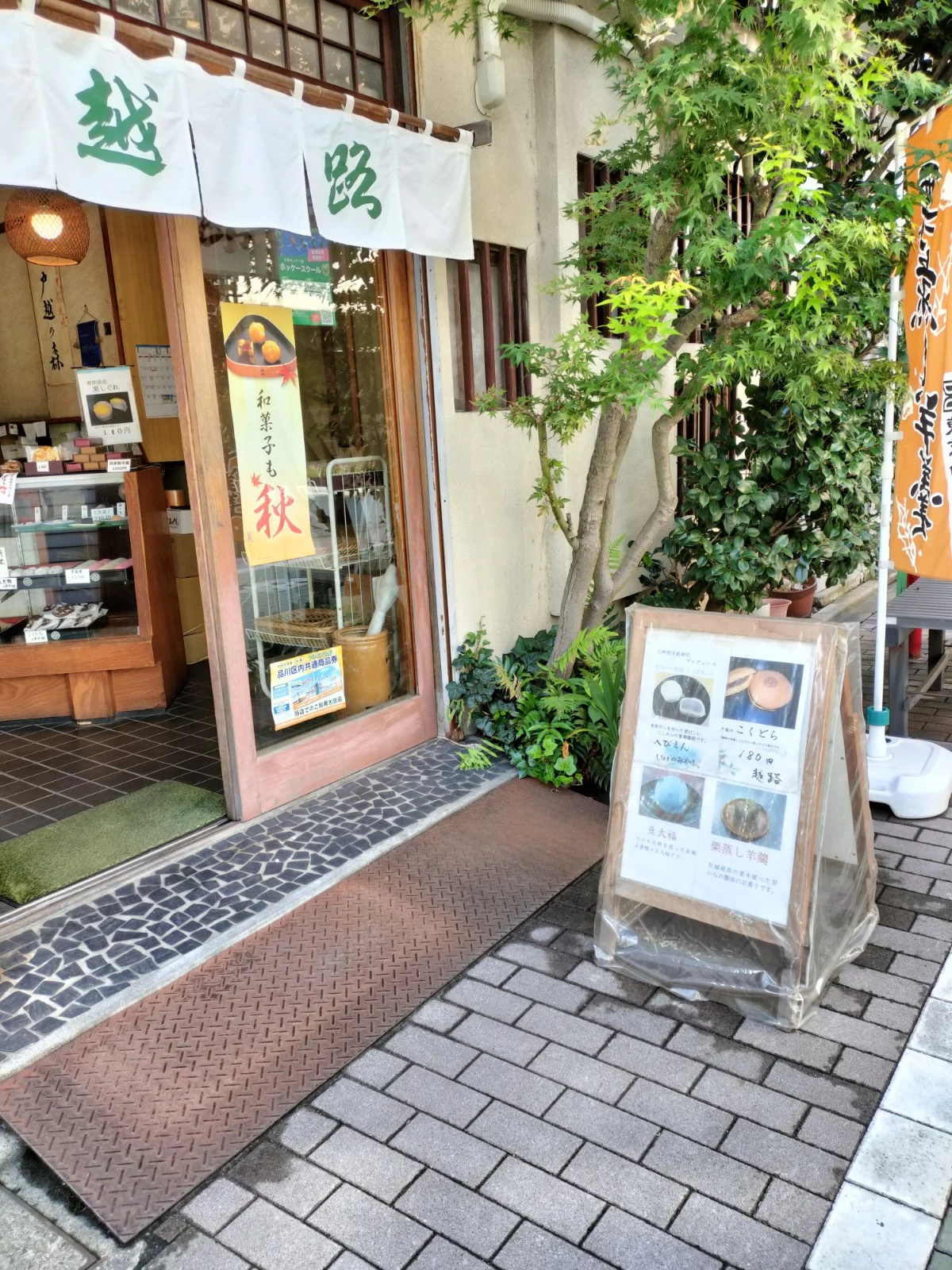
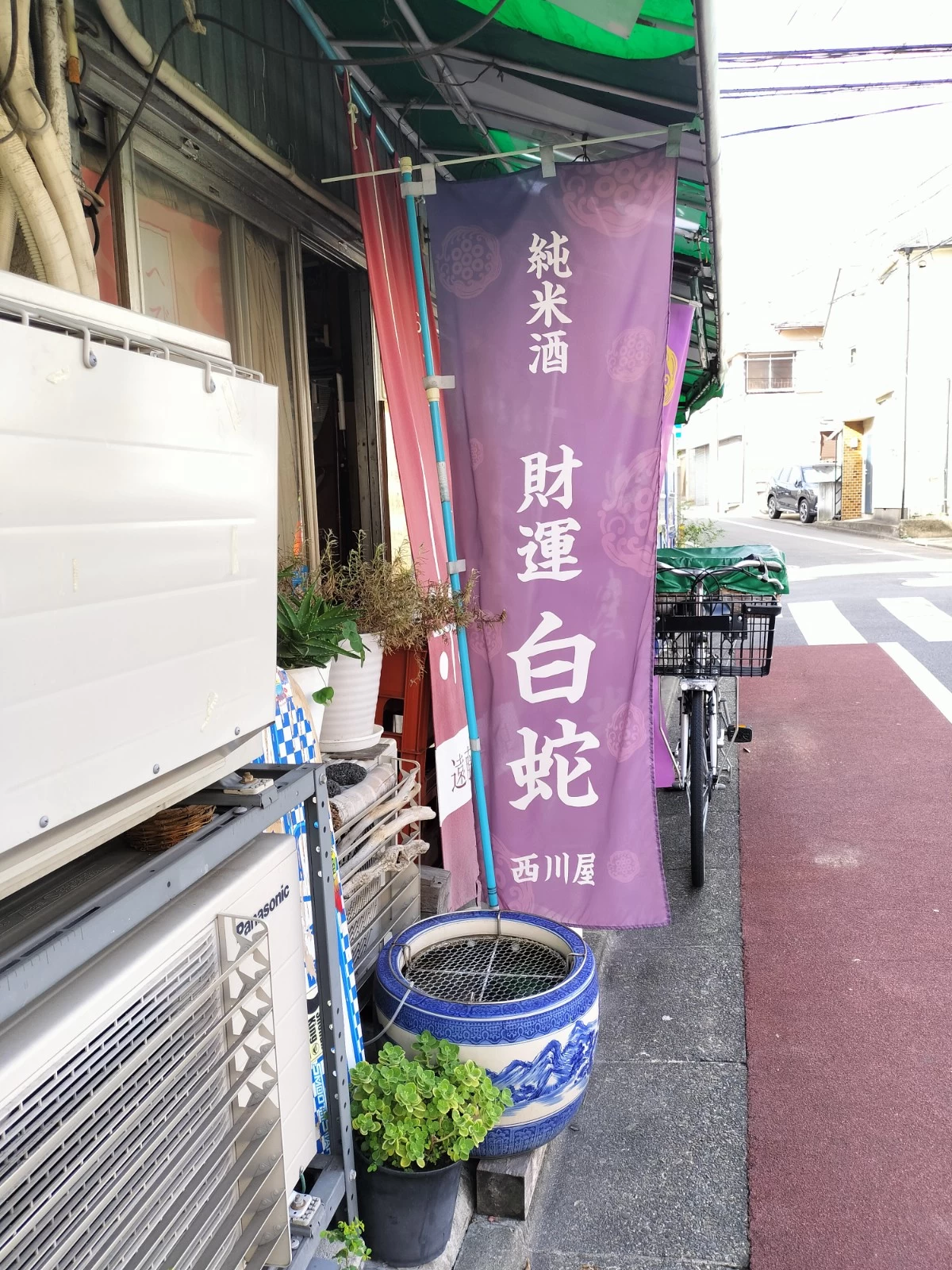
The route passes through a local shopping street, where white snake-themed items and local treats carry the shrine’s lucky motif into the neighborhood.
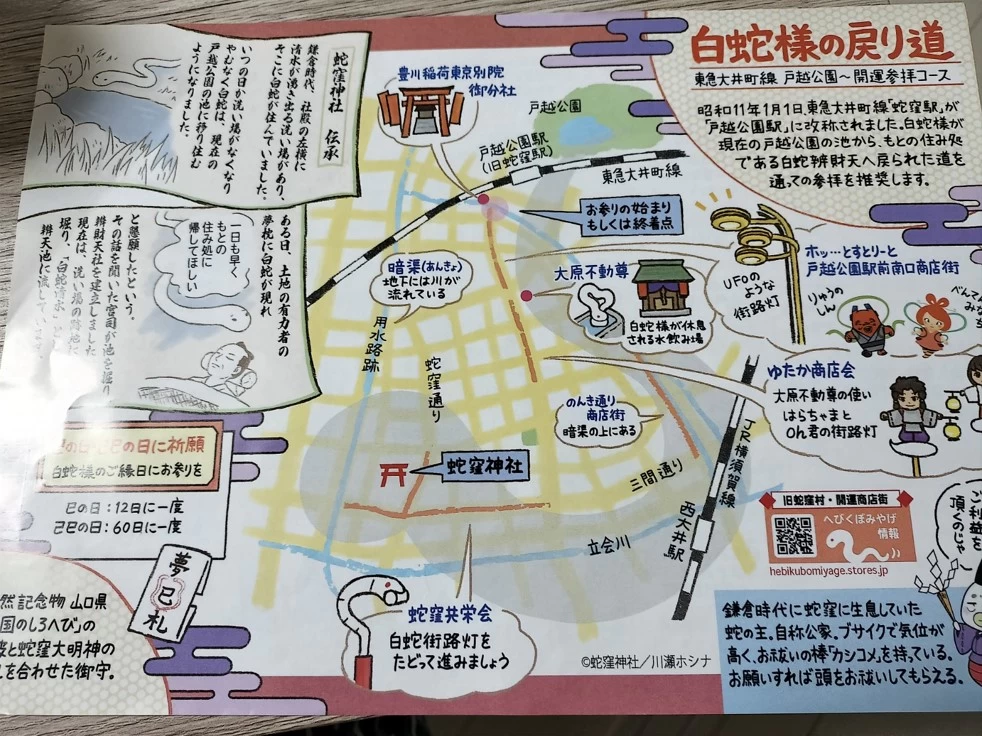
Walking map at the shrine
By the end of a visit to Hebikubo Shrine, snakes may start to feel less like creatures to avoid and more like symbols of good fortune. Japanese rat snakes were once welcomed around homes and rice storehouses for keeping mice away and helping protect household wealth. White snakes are also associated with prosperity, and seeing one in a dream is said to be a lucky sign. After hearing these stories from the shrine’s priest, it becomes easy to understand why the white snake is so cherished here. Shrines dedicated to white snakes are rare in Japan, but Hebikubo Shrine offers this distinctive experience right in Tokyo—an easy stop for a weekend outing or a quiet visit between nearby plans.
Hebikubo Shrine

Was it helpful? Please try using it when traveling or going out.
Article planning/supervision:旅色編集部 fukai
writer:Fukai
Updated every Monday: Total number of views for 30 days


Coin lockers at Disneyland! Also what to do when you don't have a place or space to leave your belongings!
2024/11/25


Summary of Luggage Lockers (Coin Lockers) at Yokohama Station! Where Can You Find Free or Affordable Options?
2025/01/31


12 Must-Visit Okinawa Souvenir Shops for Awamori, Perfume, and Ryukyu Glass
2026/05/04


Top 10 Souvenirs to Buy at Shin-Yokohama Station — Best Spots for Cute Treats
2026/05/05


Exploring Okinawa by Campervan: A First-Timer’s Guide
2026/05/15
Hebikubo Shrine
5-minute walk from Nakanobu Station (the Toei Asakusa Line and Tokyu Oimachi Line); 8-minute walk from Nishi-Oi Station (JR lines); 12-minute walk from Togoshi-koen Station (Tokyu Oimachi Line)